
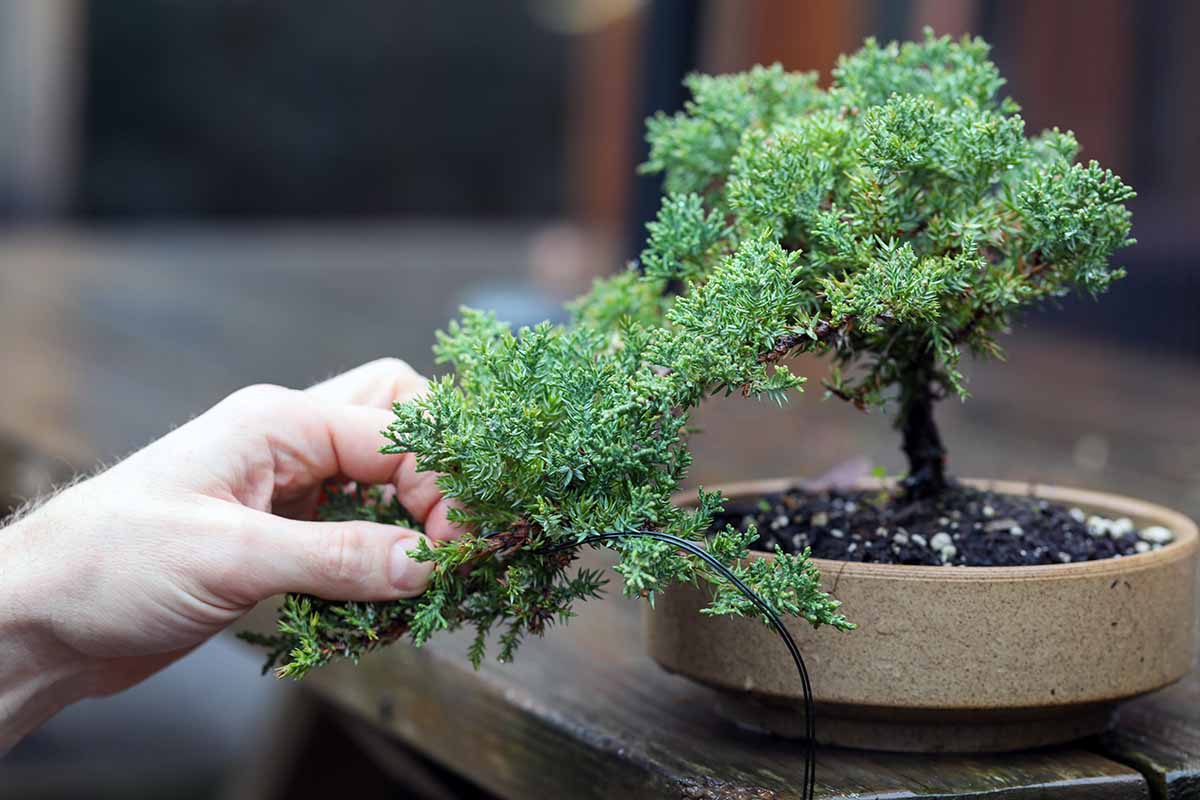
Narrow down the problem
Bonsai trees are living plants, not electronic devices. Issues are easier to solve when you separate the symptom from the care routine. Yellowing leaves, dropping branches, or stunted growth can feel like the same failure, but they point to different causes. Write down what is changing, what has stopped responding, and whether the problem appears after a repot, a move, or a change in watering habits.
Do the first pass while the tree is in its normal location, not moved for inspection. If only one branch looks stressed, isolate that area before treating the whole tree as dying. If core health indicators like root rot or severe pest infestation are involved, stop treating it as a cosmetic issue and move to immediate remediation.
This distinction keeps the care from becoming a ritual. The goal is not to prune repeatedly; it is to prove whether the fault is temporary environmental stress, a connection problem with the roots, outdated soil conditions, accessory interference, or something that needs structural intervention.
The simplest way to use this section is to keep the setup small, verify each change, and record the stable configuration before adding optional accessories.
Run these checks
Before you commit to a bonsai, verify the environment and your readiness. A mismatched location or unrealistic expectations are the most common reasons beginners abandon the hobby. Treat this diagnostic sequence as a filter to ensure you pick a species that matches your actual lifestyle, not just an aesthetic.
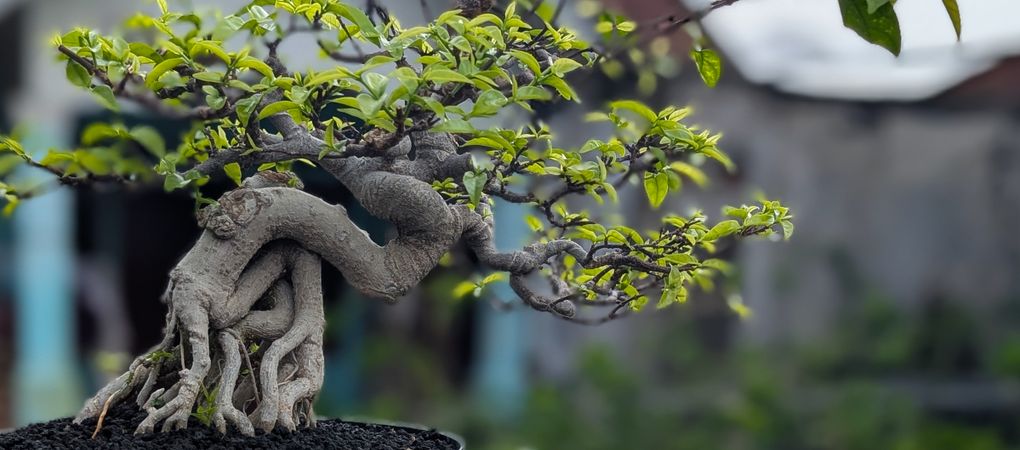
Most indoor bonsai fail because they sit in low-light corners. Use a light meter app or simply observe your space for six hours. If the area never receives direct sunlight, you need a shade-tolerant species like a Fukien Tea. South-facing windows are ideal for most deciduous and coniferous trees.
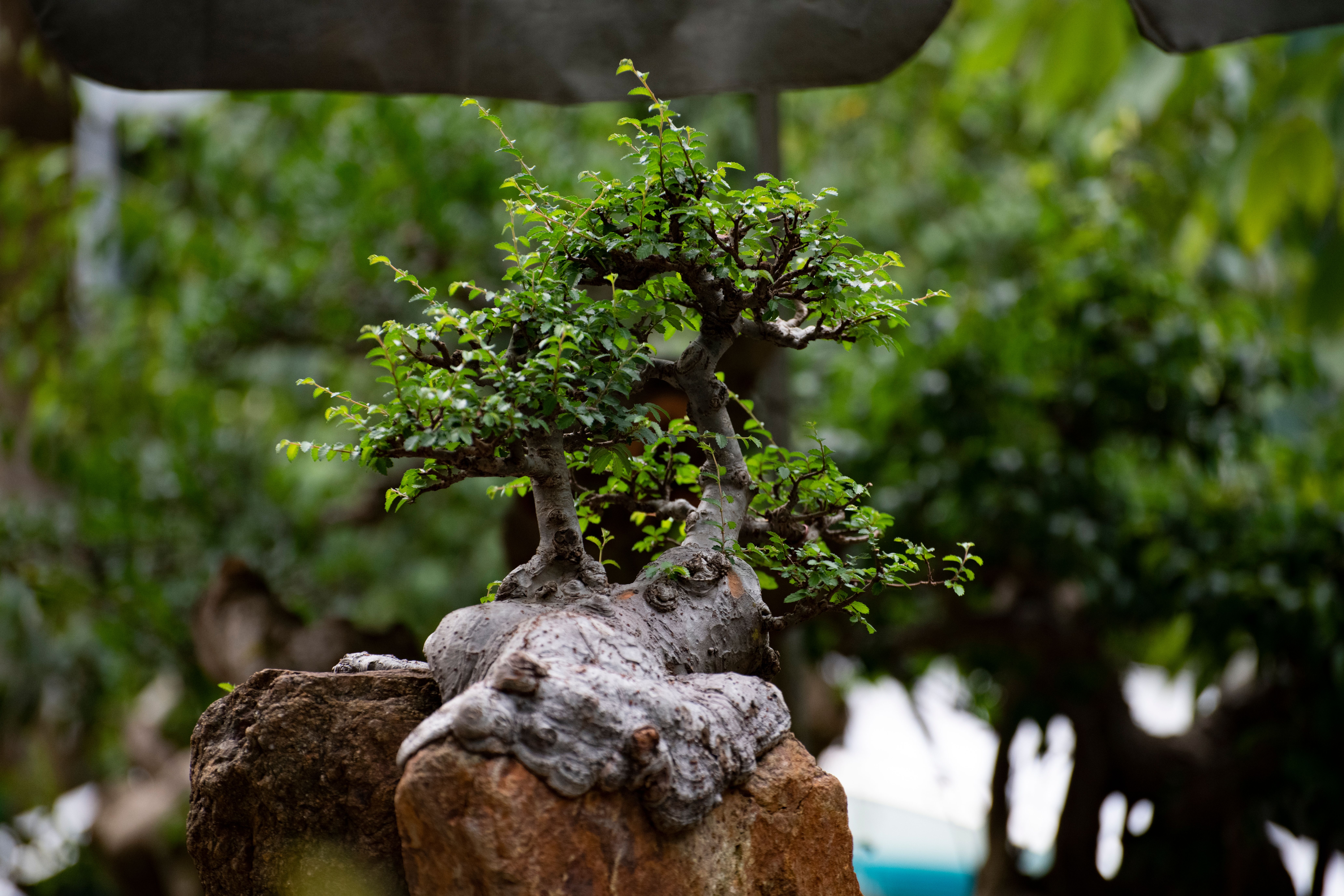
Bonsai soil dries out faster than houseplant soil. Test your schedule: can you water daily in summer? If you travel often or forget routine tasks, choose a resilient species like a Jade or Juniper that tolerates slight dryness. Consistency matters more than volume.
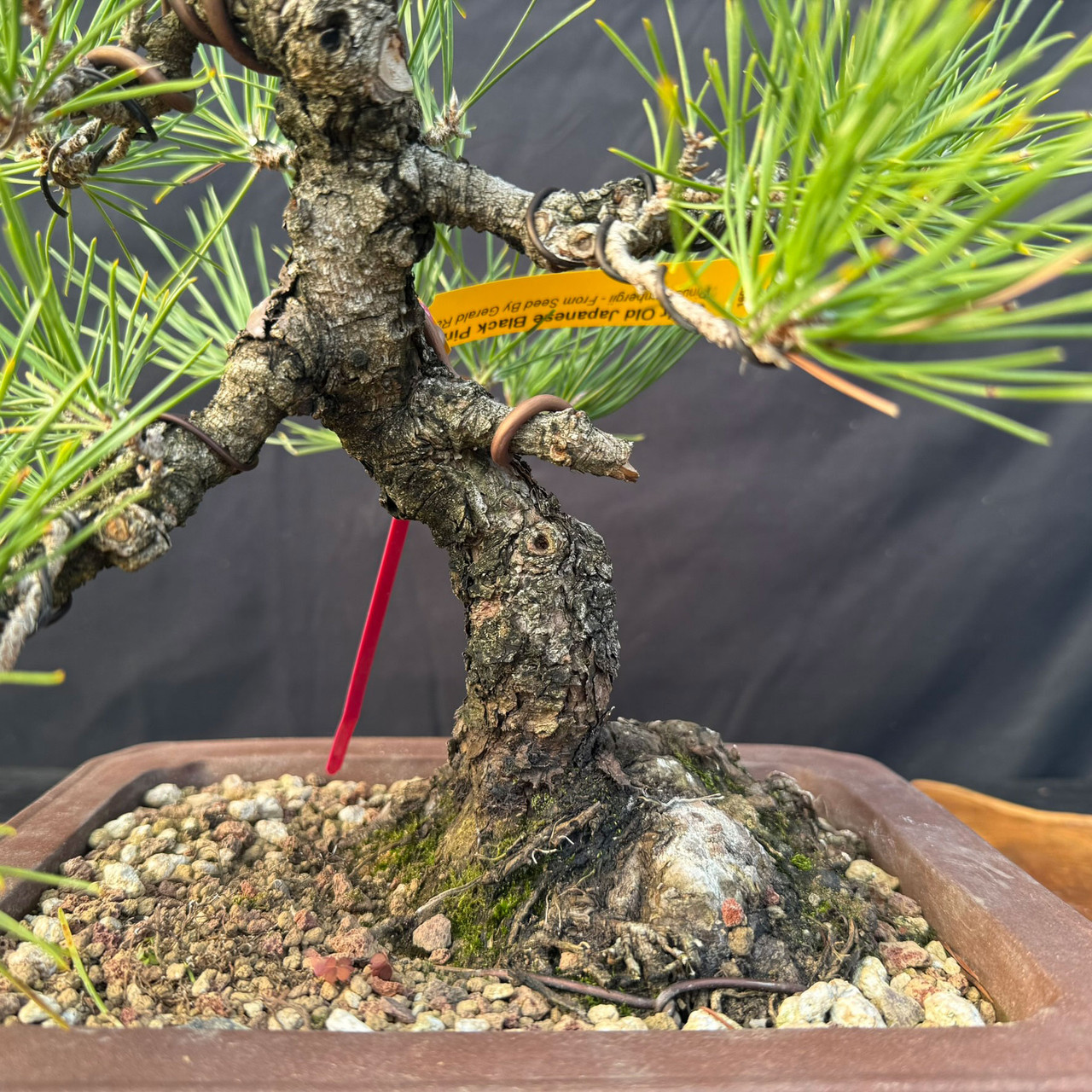
Bonsai is a long-term discipline. Beginners should expect to spend 10-15 minutes per session for inspection, watering, and minor pruning. If you cannot dedicate this weekly attention, the tree will likely decline. Start with a pre-bonsai or nursery stock to build skills before investing in a mature specimen.
What usually fixes it
When a bonsai shows signs of stress, the first step is to identify the symptom before applying a remedy. Most common issues stem from watering errors, light deficiencies, or root-bound conditions. Addressing these basics often resolves the problem without complex interventions.
Yellowing leaves
Yellowing foliage usually indicates overwatering or poor drainage. Check the soil moisture level; if it feels soggy, reduce watering frequency. Ensure the pot has adequate drainage holes. If the soil is compacted, consider repotting with a well-aerated bonsai mix to improve root health.
Dropping leaves
Sudden leaf drop often signals a change in environment, such as moving the tree indoors or outdoors abruptly. Bonsai trees prefer stable conditions. Keep the tree in a spot with consistent light and temperature. If the leaves are crispy and dry, the tree may be underwatered; increase watering if the soil is dry to the touch.
Stunted growth
Stunted growth can result from nutrient deficiency or being root-bound. If the tree has not been repotted in two years, the roots may have exhausted the soil nutrients. Repotting in early spring with fresh bonsai soil can stimulate new growth. Additionally, ensure the tree receives adequate sunlight, as low light slows photosynthesis and growth.
Pest infestations
Visible pests like aphids, spider mites, or scale insects can weaken a bonsai. Inspect the undersides of leaves and stems regularly. For minor infestations, wash the tree with a gentle stream of water or apply neem oil. For persistent pests, use an appropriate insecticidal soap, following the product instructions carefully to avoid damaging the foliage.
Bonsai for beginners: what to check next
Quick checklist
-
Match the sizeMake sure the Bonsai for beginners option fits your household, storage space, and normal batch size.
-
Check the materialChoose a material that handles heat, washing, and regular use without becoming a chore.
-
Plan the cleanupAvoid anything that needs more maintenance than you are likely to give it.
-
Keep one fallbackHave a simple backup option for rushed days.
No comments yet. Be the first to share your thoughts!