

Get bonsai beginners right
Before you buy your first tree, assess your actual living conditions, not your ideal ones. Bonsai are living plants that require specific environmental triggers to survive, and the biggest barrier for beginners is a mismatch between the tree’s needs and their home’s reality.
Start by checking your light. Most beginner-friendly species, like the Ficus or Jade, need at least six hours of direct sunlight daily. If your apartment only has north-facing windows, you will need a grow light setup. Without sufficient light, the tree will starve regardless of how carefully you water it. Next, consider humidity. Indoor heating and air conditioning dry out the air, which bonsai roots and leaves hate. You will need to mist the tree regularly or place it on a humidity tray filled with pebbles and water.
Finally, evaluate your patience. Bonsai is a slow art. You are not just growing a plant; you are shaping one. Expect to spend months just learning how to water correctly. If you want instant gratification, a potted succulent is a better choice. But if you are ready to commit to a long-term project, the effort pays off in a living sculpture that ages with you.
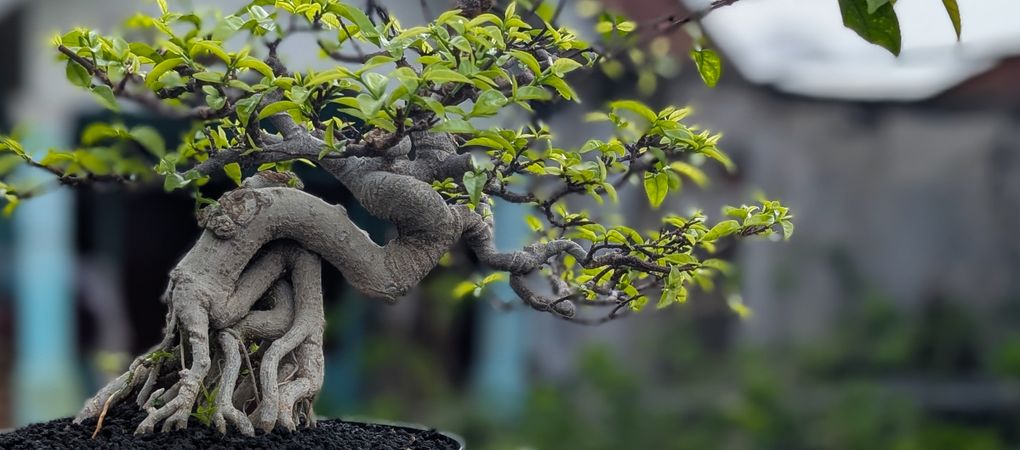
The one mistake all bonsai beginners make
Overwatering. It is the number one reason new bonsai trees die. Beginners often treat bonsai like houseplants, keeping the soil constantly wet. Bonsai soil drains quickly, and the roots need air just as much as they need water. If the soil stays soggy, the roots rot, and the tree collapses from the bottom up. Wait until the top inch of soil feels dry to the touch before watering again.
Is bonsai easy to learn?
Bonsai is easy to start but hard to master. The basic care rules are simple: light, water, and air. However, the art of styling—pruning branches, wiring trunks, and repotting—requires practice and an eye for aesthetics. Think of it like learning a musical instrument. You can play a simple tune in a week, but mastering the instrument takes years. Start with a forgiving species, learn the basics of care, and slowly add styling techniques as you gain confidence.
What is the rule of 3 in bonsai?
The rule of 3 is a basic principle of bonsai aesthetics. It states that plants and design elements should be arranged in odd numbers, typically three, for visual harmony. In practice, this means your bonsai tree should have three main branches or three distinct layers of foliage. This creates a natural, asymmetrical balance that feels more organic and pleasing to the eye than symmetrical, even-numbered arrangements.
What is the easiest bonsai to start with?
The Ficus retusa is widely considered the easiest bonsai for beginners. It is tolerant of low light, irregular watering, and indoor humidity fluctuations. It also grows quickly, allowing you to make mistakes and recover. Other good starters include the Jade plant (Crassula ovata) and the Chinese Elm. Avoid delicate species like Junipers or Maples until you have mastered the basics of soil drainage and humidity control.
Work through the steps
Starting an indoor bonsai is less about artistic flair and more about building a reliable routine. The goal for year one is survival and root establishment, not dramatic styling. By following a strict sequence of care, you give the tree the best chance to thrive in a dry indoor environment.
Not all trees survive indoor conditions. For beginners, the Ficus retusa is the most forgiving choice. It tolerates low humidity and irregular watering better than Junipers or Maples. Pick a tree with dense foliage and a thick trunk; these signs indicate a healthy root system that has been well-maintained by the nursery.
Watering is the single most common point of failure. Check the soil daily by inserting your finger about an inch deep. If it feels dry, water thoroughly until water flows freely from the drainage holes. If it is damp, wait. Indoor bonsai rarely need water on a fixed schedule; they need it when the soil dries out. Overwatering causes root rot, which kills trees faster than underwatering.
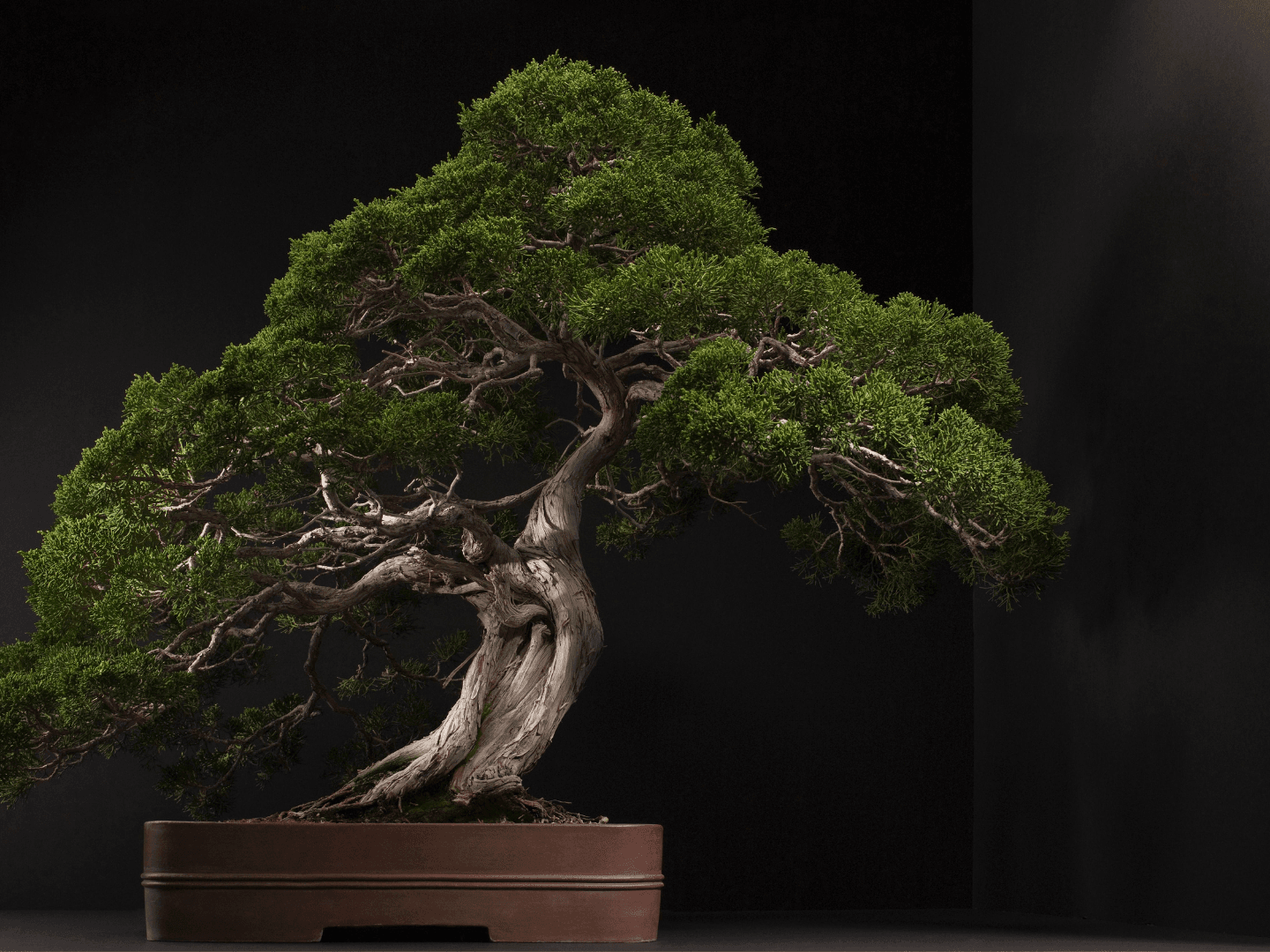
Indoor bonsai require bright, indirect light. A south-facing window is ideal. If natural light is limited, use a full-spectrum LED grow light for 10-12 hours a day. Keep the tree away from heating vents and air conditioners, as drafts will dry out the soil and stress the foliage. Rotate the pot a quarter turn every week to ensure even growth.
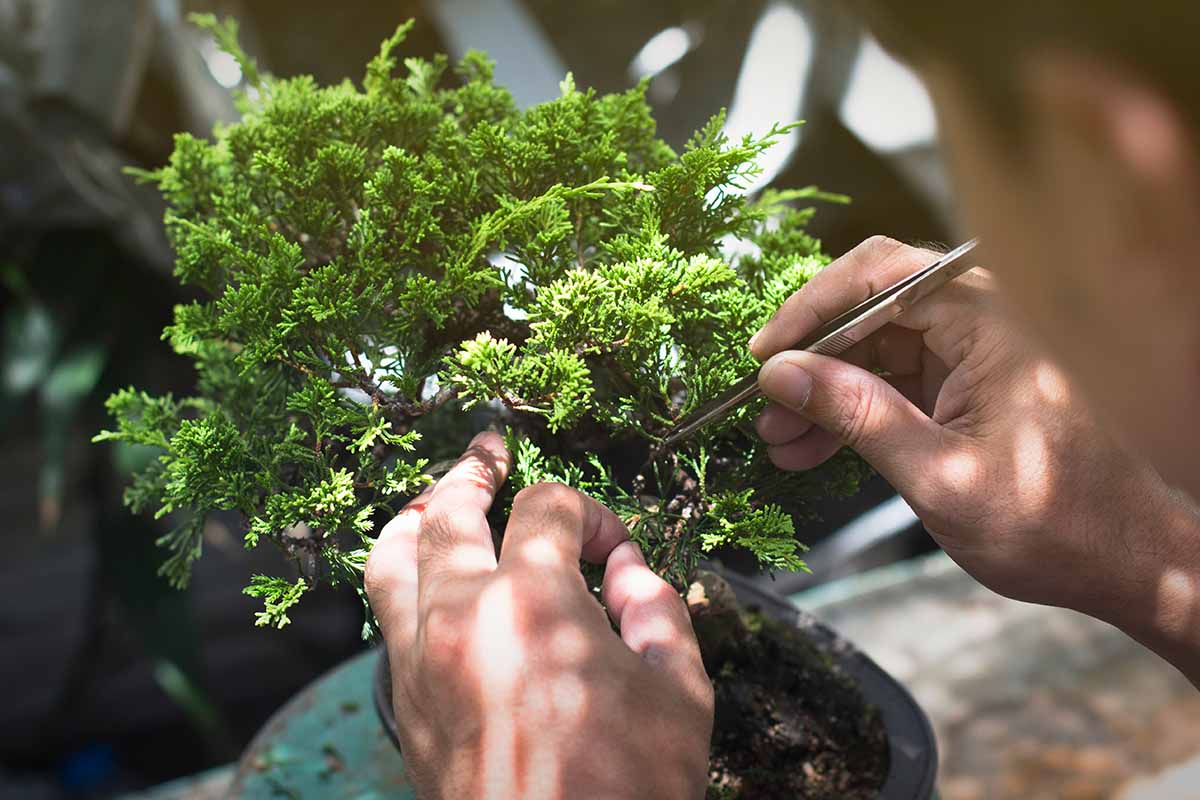
Do not prune heavily in the first few months. Let the tree recover from the nursery transition. After three months, you can begin light pruning to maintain shape. Use sharp bonsai shears to trim long shoots back to two or three leaves. This encourages branching and creates the dense canopy characteristic of bonsai. Always prune during the active growing season.
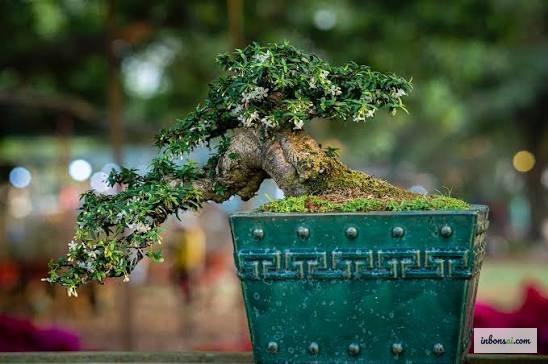
Bonsai soil volume is small, so nutrients deplete quickly. Use a balanced, liquid fertilizer diluted to half strength every two weeks during spring and summer. Stop fertilizing in winter when the tree is dormant. Too much fertilizer burns the roots, so less is always better when starting out.
-
Soil is dry to the touch before watering
-
Tree is in a bright, indirect light source
-
Drainage holes are clear and unobstructed
-
No dead or yellowing leaves are present
-
Fertilizer is diluted to half strength
Mistakes That Kill Beginner Bonsai Trees
Starting an indoor bonsai means avoiding the traps that turn a promising tree into a dead stick within months. The gap between a thriving bonsai and a struggling one usually comes down to three specific errors: watering on a schedule, ignoring light quality, and pruning without purpose. Fixing these basics is easier than learning complex wiring techniques later.
Watering on a Schedule
The most common mistake beginners make is watering their bonsai at fixed intervals, such as "every Monday" or "twice a week." Bonsai trees do not check calendars; they respond to soil moisture, ambient humidity, and root size. A tree in a shallow pot dries out much faster than one in a deep container, even if they are the same species.
Instead of a calendar, use the finger test or a moisture meter. Insert your finger into the soil up to the first knuckle. If it feels dry, water thoroughly until water runs out of the drainage holes. If it feels damp, wait. This simple check prevents root rot, the leading cause of death for indoor bonsai enthusiasts.
Ignoring Light Quality
Many beginners place their bonsai in the dimmest corner of a room, assuming "indoor" means low light. This is a fatal error. Most bonsai species, including the popular Ficus and Jade, require bright, direct light to photosynthesize effectively. A tree starved of light will drop leaves, develop weak, leggy branches, and become susceptible to pests.
Position your bonsai within three feet of a south-facing window. If natural light is insufficient, invest in a full-spectrum grow light. Place the light 6-12 inches above the canopy and run it for 12-14 hours daily. This mimics the sun's intensity and keeps the tree compact and healthy during the darker winter months.
Pruning Without Purpose
Beginners often prune bonsai trees randomly, cutting branches simply because they look "messy." This reactive approach destroys the tree's structure and forces it to waste energy growing back unwanted shoots. Bonsai pruning is a deliberate act of editing, not just trimming.
Before making any cuts, step back and observe the tree's trunk line and branch placement. Remove only dead, diseased, or crossing branches that disrupt the flow. When shaping, cut just above a node (the point where leaves emerge) to direct growth. This strategic approach maintains the tree's aesthetic balance and encourages healthy, directed development.
Insert a finger into the soil to check for dryness. Water only when the top inch feels dry to the touch, ensuring thorough drainage.
Place the tree near a south-facing window or under a full-spectrum grow light. Ensure it receives at least six hours of direct, bright light daily.
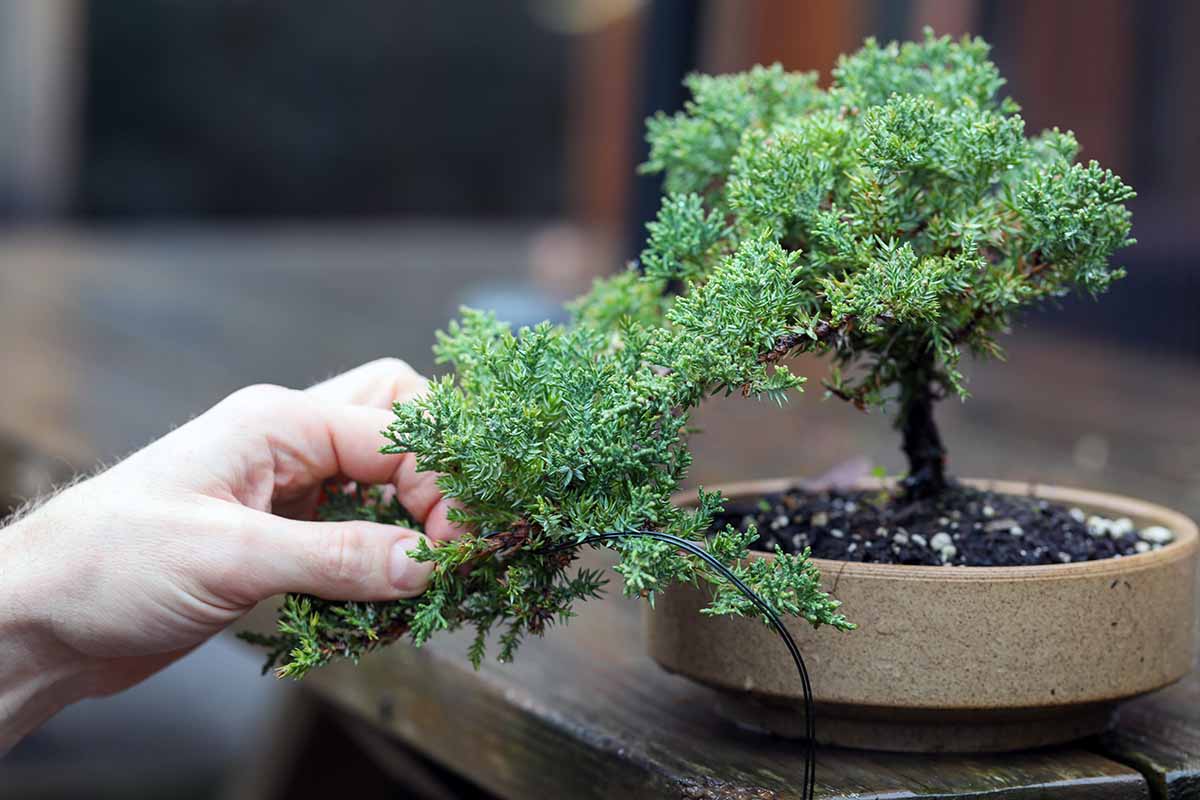
Remove only crossing, dead, or unhealthy branches. Cut just above a node to direct growth and maintain the tree's intended shape.
No comments yet. Be the first to share your thoughts!