

Bonsai beginners budget
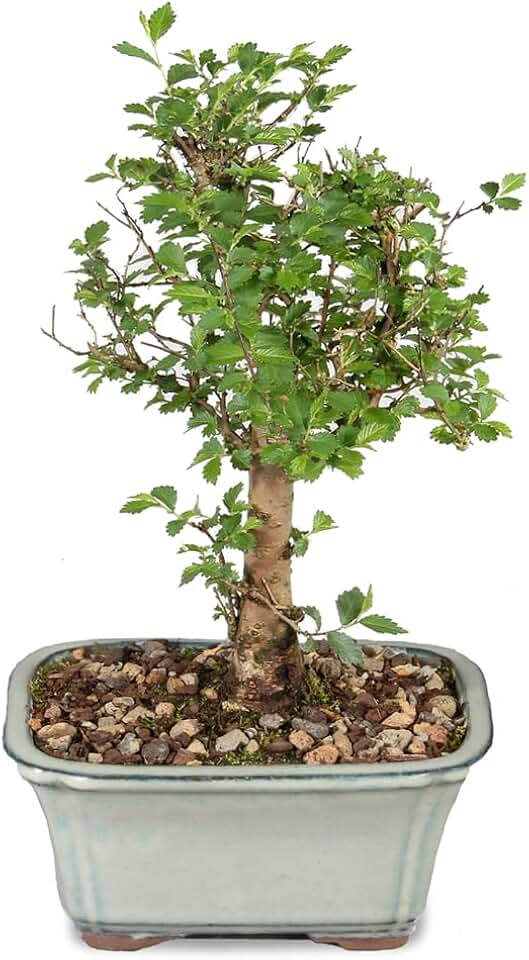
Starting a bonsai collection doesn't require a fortune, but the initial price tag often masks the true cost of ownership. A beginner tree typically ranges from $15 to $40, a sweet spot for learning without high stakes. Trees in this range are usually one to three years old, meaning they haven't been heavily shaped yet. You are paying for the plant's health and root structure, not artistic perfection.
The real tradeoff is between age and price. Older trees cost more because they have survived longer, but they are also less forgiving of mistakes. For a first timer, a younger, cheaper tree is a better teacher. It allows you to practice wiring and pruning without the anxiety of damaging a prized specimen. The goal is to find a healthy, affordable starter that can handle your learning curve.


As an Amazon Associate, we may earn from qualifying purchases.
When budgeting, remember that the tree is just the entry fee. You will also need basic tools like concave cutters and wiring, plus a well-draining soil mix. These supplies can add $20 to $30 to your initial investment. However, these are one-time purchases. A $20 tree paired with proper care will thrive, while a $100 tree neglected by a beginner will likely fail. Focus on the plant's vitality, not its price tag.
Shortlist real options
The indoor bonsai market is crowded, but only a few species actually survive typical apartment conditions. For beginners, the goal is finding trees that tolerate irregular watering and low light without giving up. We tested the most common starter species against these realities to separate the durable survivors from the delicate novelties.
The Ficus retusa is the undisputed workhorse of indoor bonsai. Its small leaves and thick trunk base give it a mature look quickly, but its real value is its forgiving nature. It thrives on neglect compared to other species, making it the safest first purchase. If you forget to water it once, it bounces back. If you drown it, it survives. This resilience makes it the best bonsai for beginners who are still learning their watering rhythm.
Jade plants (Crassula ovata) are often overlooked as bonsai candidates, but they are arguably the easiest houseplants to shape. They are succulents, meaning they store water in their leaves, which makes them incredibly drought-tolerant. You can prune them aggressively, and they will fill in quickly. They don't need the high humidity that tropical species demand, making them perfect for dry indoor heating in winter. They grow slowly, which is a blessing for beginners who might over-prune.
The Chinese Elm (Ulmus parvifolia) is the next step up in complexity. It is a deciduous tree, meaning it loses its leaves in winter, which adds seasonal interest but requires more light than Ficus or Jade. It is still very hardy and responds well to wiring, allowing you to create traditional bonsai shapes. However, it needs a brighter window than the other two options. If you have a south-facing window, this is a fantastic choice for a more classic look.
To help you decide which species fits your space and light conditions, we have compared their key characteristics below.
| Species | Light Needs | Watering Frequency | Best For |
|---|---|---|---|
| Ficus retusa | Low to Medium | Every 3-5 days | Beginners & Low Light |
| Jade Plant | Bright Indirect | Every 10-14 days | Minimal Care & Drought |
| Chinese Elm | Bright Direct | Every 2-3 days | Traditional Shapes |
| Serissa | Bright Indirect | Every 2 days | Flowering Interest |
Inspect the expensive parts
Bonsai trees are living art, not disposable decor. A $300 tree can become a $30 stump in weeks if you miss a few critical details. Before you commit to a purchase, run this checklist. It focuses on the failure points that cost the most time, money, and patience.
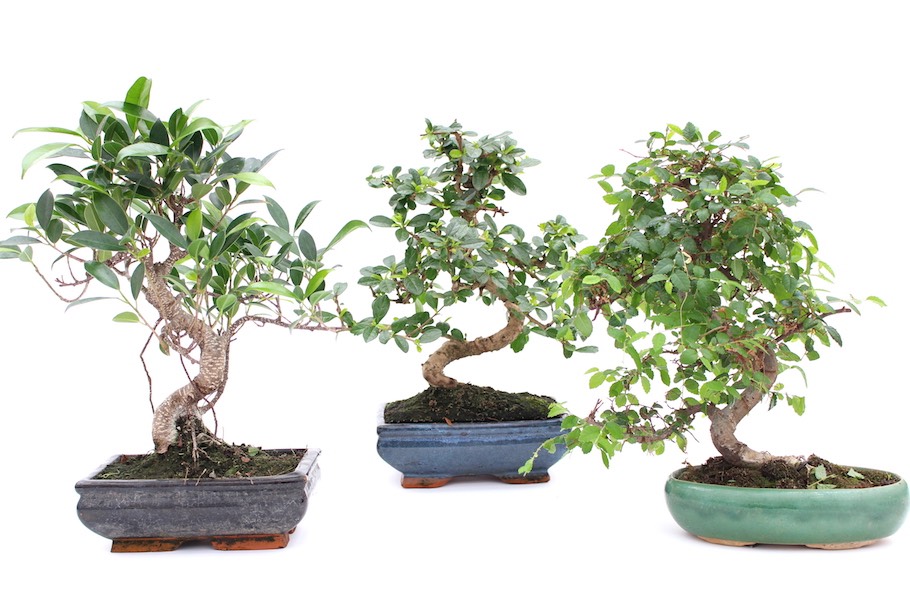
Lift the tree gently from its nursery pot. A healthy bonsai has a wide, visible root flare (nebari) that anchors the trunk. If the roots are circling tightly or the base looks thin and spindly, the tree lacks structural integrity. Avoid trees with exposed soil that looks like it’s been patched with moss to hide poor root development.
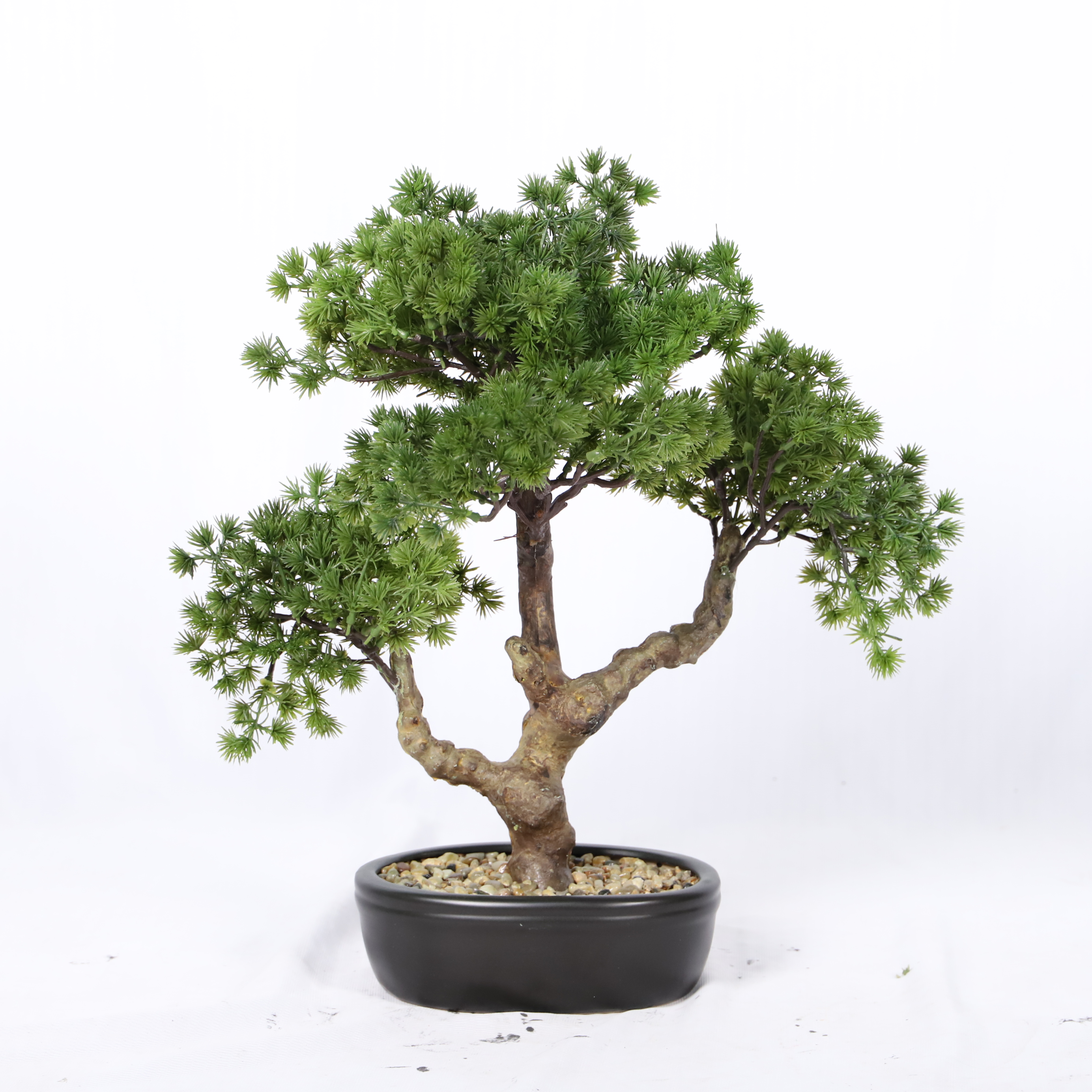
Turn every leaf over. Look for tiny white specks (scale insects), sticky residue (honeydew), or fine webbing (spider mites). Indoor bonsai are often kept in warm, dry environments that invite spider mites. If you see any signs, the tree is a ticking time bomb for your other plants. Do not buy it.
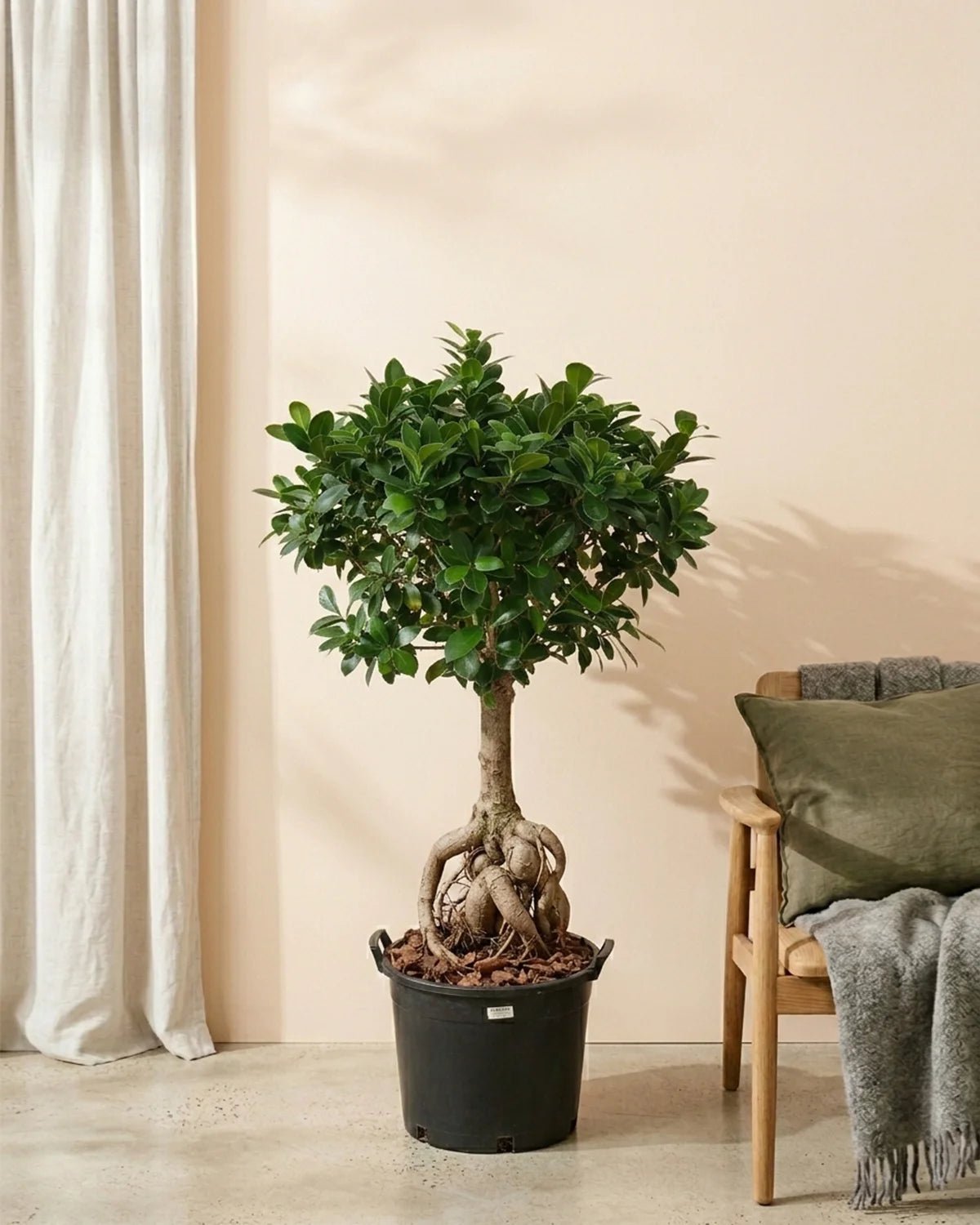
Push your finger two inches into the soil. It should be damp but not soggy. If it’s bone dry, the tree is underwatered and stressed. If it’s muddy, it’s sitting in water, which leads to root rot. Ask the seller when it was last watered. A tree that has been sitting in a saucer of water for days is likely already rotting from the inside out.
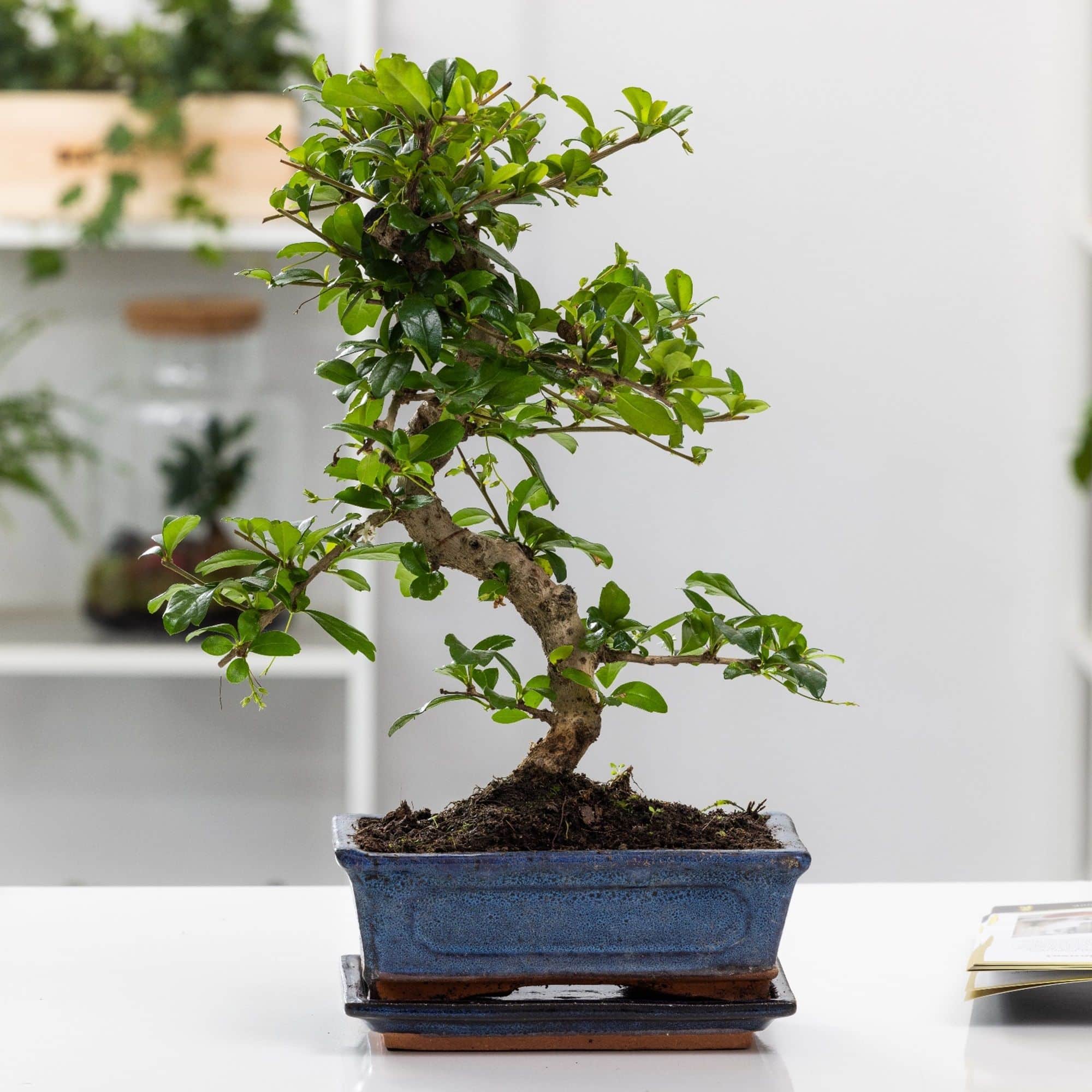
Look at how the branches are positioned. If the tree is heavily wired into unnatural shapes, check for wire bite (where the wire has cut into the bark). This can girdle the branch and kill it. Also, ensure the branches are balanced. A tree with all its growth leaning to one side will require years of correction to fix.
By focusing on these structural and health checks, you avoid the most common beginner mistakes: buying a tree that looks good on the shelf but is dying in the soil. A healthy trunk, clean leaves, and balanced roots are the only metrics that matter before you pay.
Plan for ownership costs
A $15 starter bonsai can cost $50 or more over its first year if you don't account for the hidden necessities. The initial tree price is just the entry fee; the real investment lies in the specialized tools and soil that keep the plant alive in a small indoor space.
The Hidden Cost of Soil
Most beginners buy a tree with generic garden soil, which compacts quickly and suffocates roots indoors. You will need to repot into a fast-draining bonsai mix (typically akadama, pumice, and lava rock). A small bag of this specialized substrate costs $10-$20 and needs replacement every 1-2 years depending on the species.
Tooling Up
You cannot use standard garden shears. You need sharp, small-scale tools to avoid tearing delicate branches. A basic starter set—containing concave cutters, wire cutters, and a rake—is an essential one-time purchase. Expect to spend $25-$40 for a durable set that won't rust or dull quickly.
Watering and Fertilizing
Indoor environments are dry, so you may need a humidity tray or a small pebble tray setup, adding another $10-$15. Fertilizer is non-negotiable; indoor bonsai deplete soil nutrients faster than outdoor ones. A bottle of balanced liquid fertilizer lasts several months but costs $12-$18 annually.
When Cheap Stops Being Cheap
The "rule of 3" in bonsai suggests that for every $1 you spend on the tree, you should budget $3 for its care and infrastructure. A $10 tree becomes a $40 investment. However, this is manageable. Dwarf Jades and Ficus benjamina are forgiving enough that you won't lose them quickly to beginner errors, making the upfront tool and soil costs a worthwhile safety net.


As an Amazon Associate, we may earn from qualifying purchases.
Bonsai for beginners: what to check next
Starting an indoor bonsai collection often raises practical concerns about maintenance and technique. These answers address the most common objections and myths before you make your first purchase.
No comments yet. Be the first to share your thoughts!