
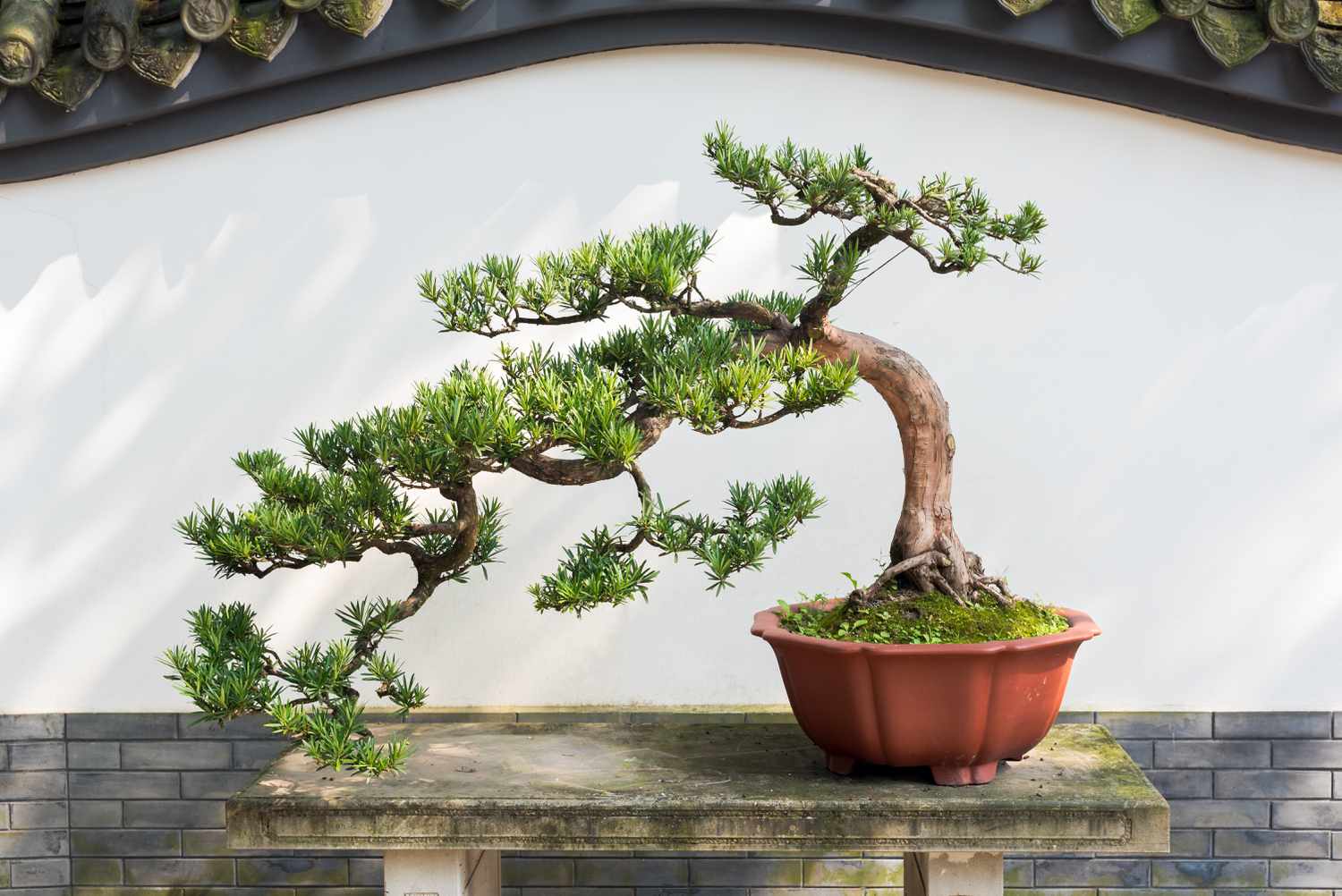
Start with bonsai beginners
Bonsai is often mistaken for a high-maintenance indoor hobby, but that reputation is mostly noise. The trees that survive on a windowsill are different from those that demand a professional greenhouse. They require less pruning, tolerate inconsistent watering, and bounce back when you forget them for a few days. This list focuses entirely on those forgiving species.
We selected these five trees using a simple filter: they must handle beginner errors without dying. If a species drops its leaves at the first sign of drought or requires specific humidity levels, it is out. We prioritized trees that thrive in average home conditions, meaning they do not need specialized grow lights or daily misting. The goal is to build your confidence through small wins, not to stress over every leaf.
The selection process also weighed visual appeal. A bonsai that is easy to care for but looks like a stick is not much fun. We chose species that develop thick trunks and dense foliage quickly, giving you a finished look without years of patient waiting. This approach turns bonsai from a chore into a steady, rewarding practice.
5 Low-Maintenance Bonsai Tree Types for Stress-Free Care
Starting with low-maintenance bonsai removes the guesswork from your first year, letting you focus on shaping rather than survival. These five species are selected for their resilience to watering inconsistencies and adaptability to indoor environments, making them ideal for beginners who want visible progress without constant stress.
1. Ficus microcarpa Ginseng
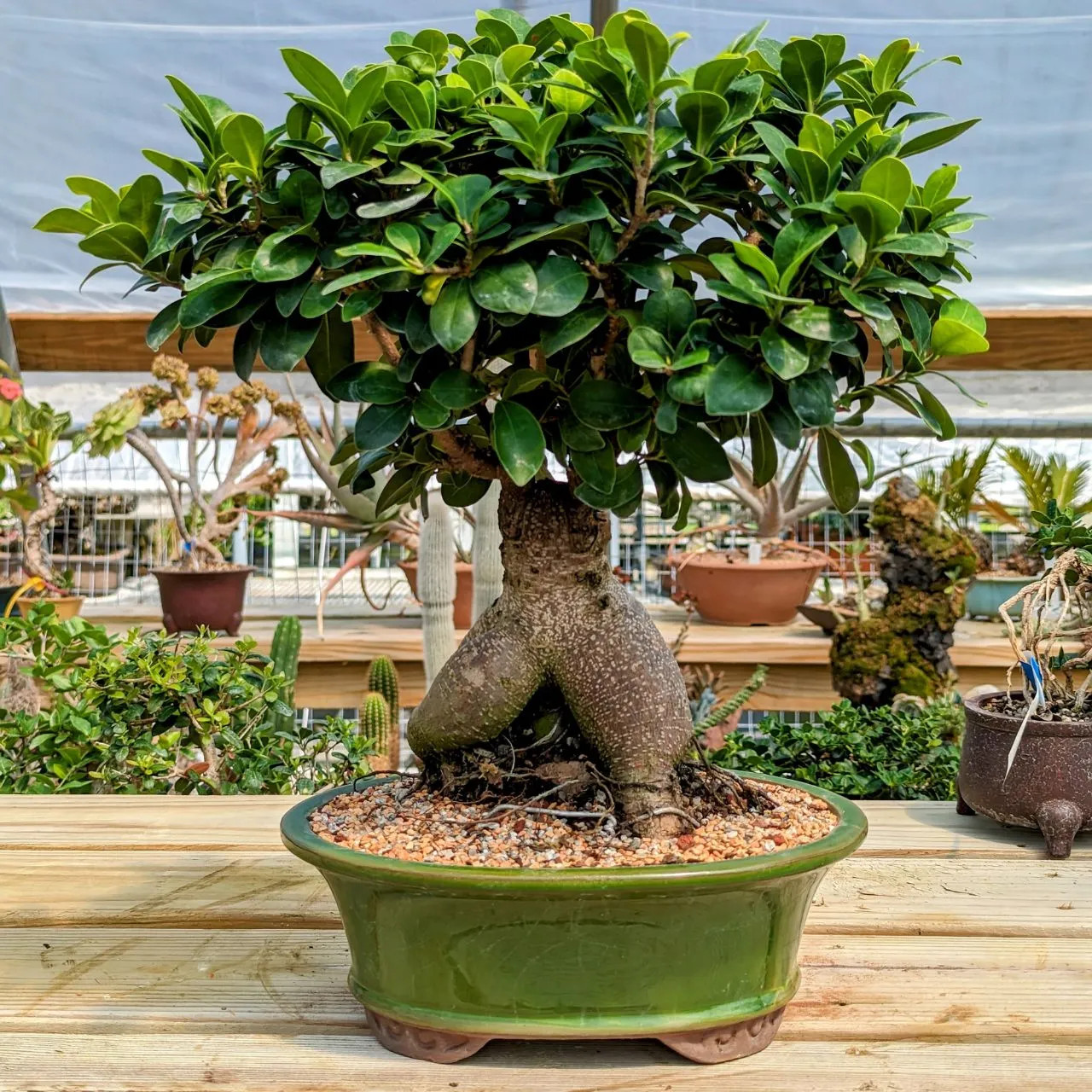
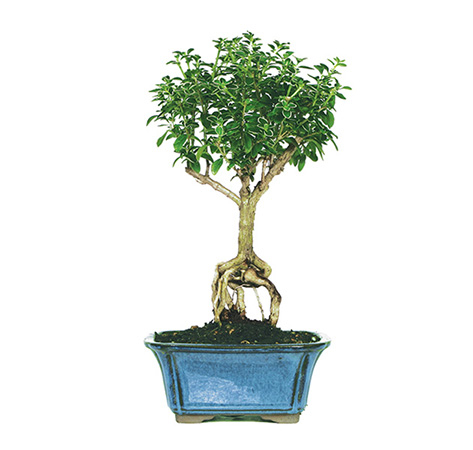
The thick, exposed root base of a Ginseng ficus creates a sturdy, sculptural trunk that forgives irregular watering. This tropical species thrives in indoor environments, tolerating lower humidity better than most conifers. Its small, glossy leaves require minimal pruning to maintain shape. The visible nebari adds visual weight, making it an excellent choice for beginners seeking a dramatic, low-stress entry into bonsai cultivation.
2. Jade Plant (Crassula ovata)
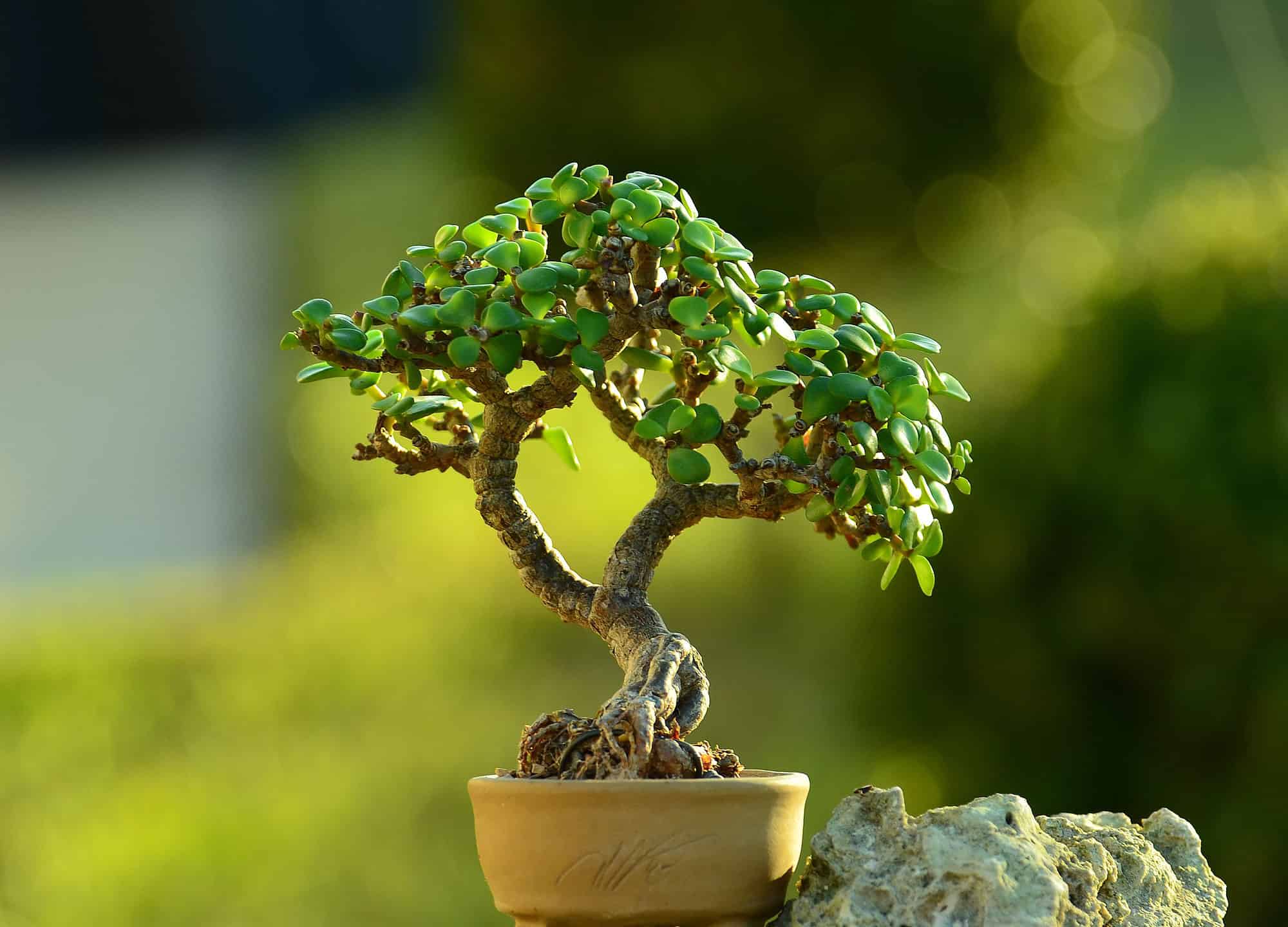
Jade plants store water in their thick, succulent leaves, allowing them to survive weeks without hydration. This drought tolerance makes them ideal for forgetful growers or those with busy schedules. They prefer bright, indirect light and well-draining soil mixes. Regular pinching of new growth helps develop a compact, tree-like structure without the need for complex wiring techniques, ensuring a resilient and attractive specimen.
3. Chinese Elm (Ulmus parvifolia)
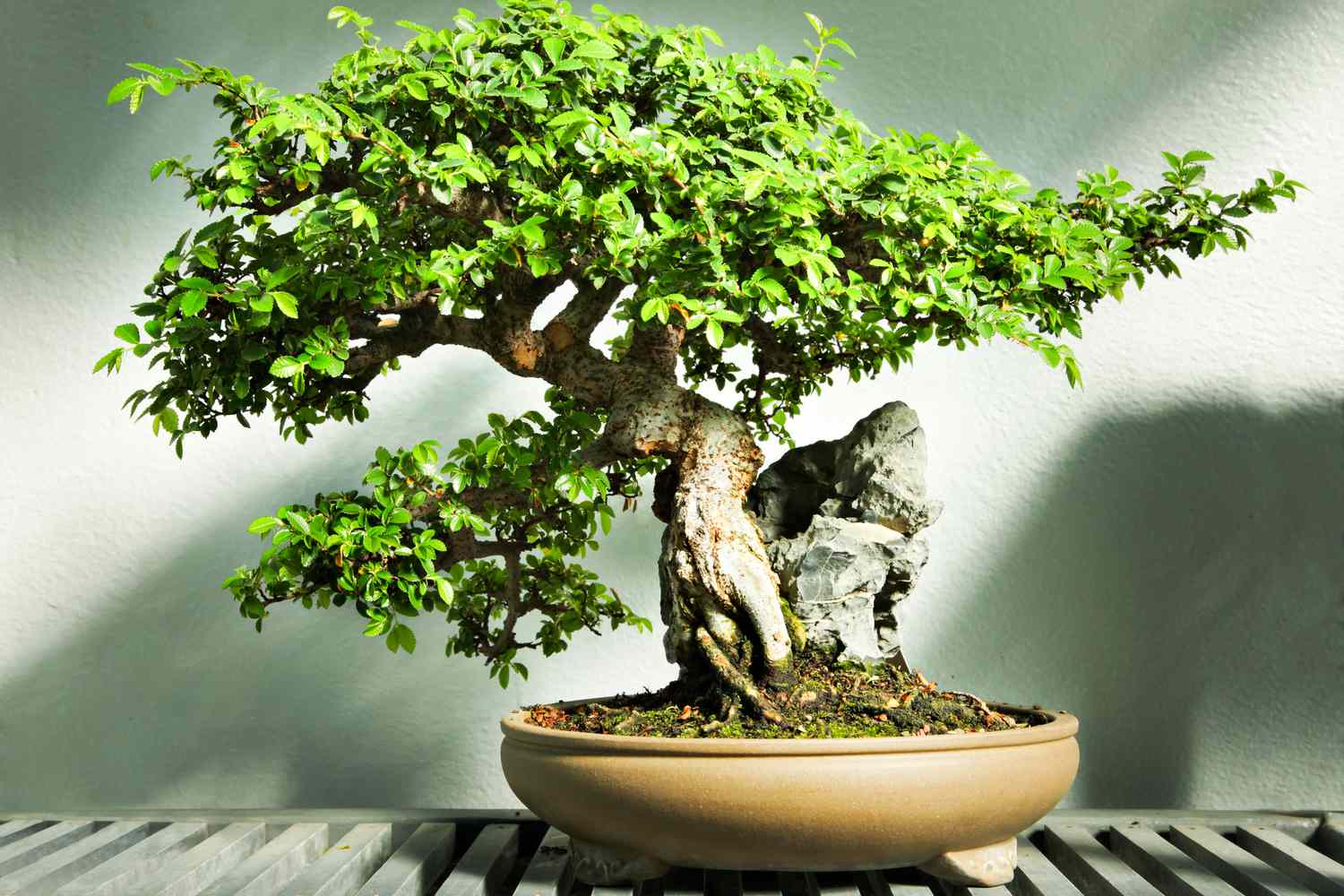
Chinese elms offer the classic deciduous look with remarkable resilience to indoor conditions. Their small leaves and flexible branches respond well to pruning and wiring, allowing for precise styling. This species adapts to varying light levels, making it versatile for different home environments. The bark develops an attractive, mottled texture as it ages, adding character over time without demanding intensive care routines from the owner.
4. Serissa foetida (Snowrose)
Snowrose bonsai features tiny, delicate leaves and produces small white flowers that emit a subtle fragrance. While often considered challenging, specific care routines make it manageable for dedicated beginners. It prefers consistent moisture and bright, indirect light. The plant’s fine branching structure allows for intricate styling, rewarding careful attention with a dense, cloud-like canopy. Regular misting helps maintain humidity, preventing leaf drop during dry indoor periods.
5. Chinese Juniper (Juniperus chinensis)
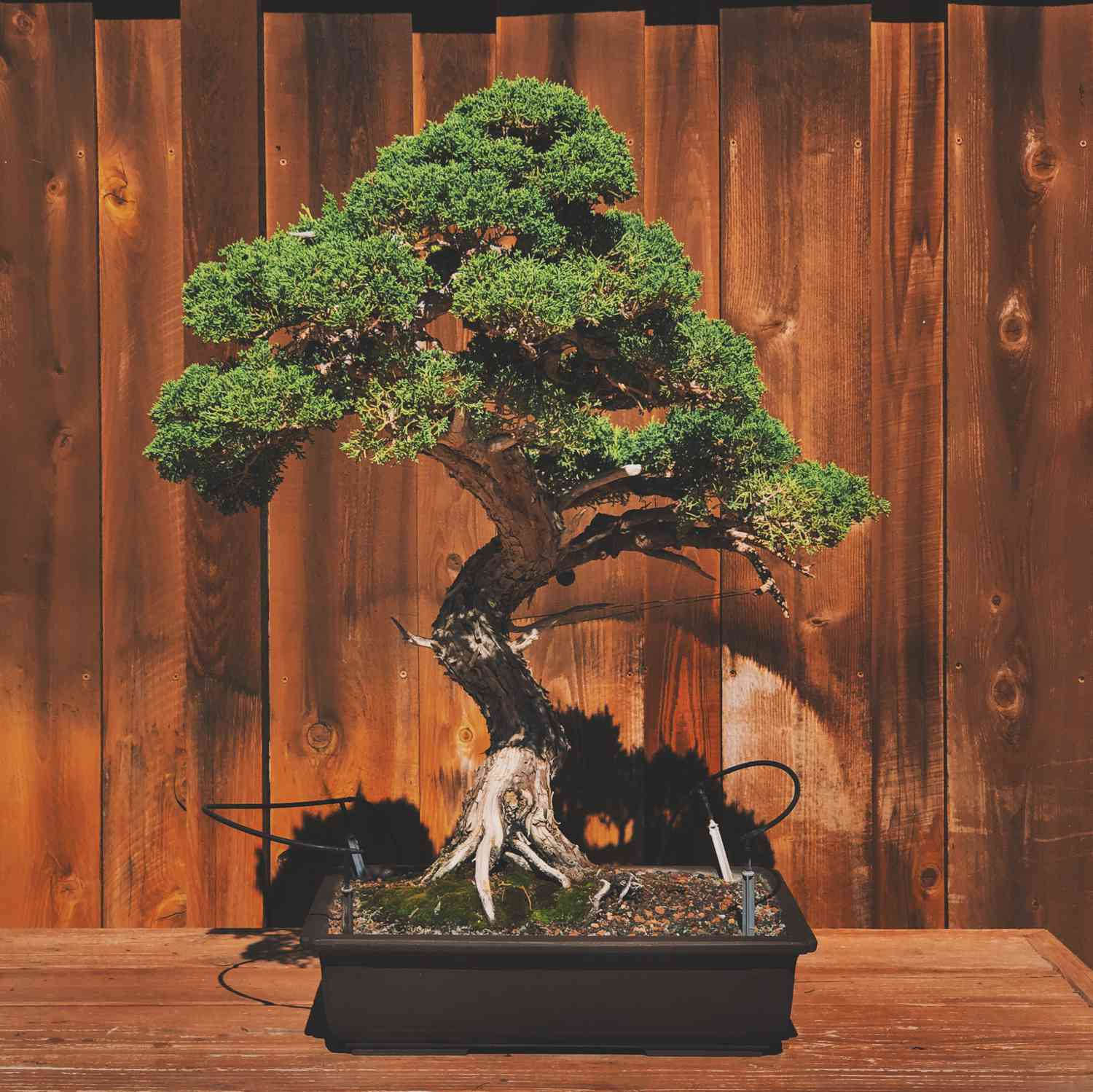
Chinese junipers are hardy conifers that thrive outdoors, tolerating cold winters and hot summers with ease. Their flexible branches and needle-like foliage allow for traditional bonsai shaping techniques. This species develops attractive, peeling bark and a rugged appearance over time. Proper drainage and full sun exposure are key to preventing fungal issues. Junipers are forgiving of minor neglect, making them a robust choice for long-term hobbyists.
Pick the right fit
Choosing a bonsai species is less about finding the "perfect" tree and more about matching a living plant to your daily reality. A Ficus will thrive on a sunny windowsill even if you forget to water it for a week, while a Juniper demands precise soil moisture and outdoor conditions. The goal is to select a species that aligns with your light levels, humidity, and willingness to intervene.
1. Match light to location
Bonsai are not indoor or outdoor trees by nature; they are specific species adapted to specific environments. Before buying, check the light conditions of your chosen spot. Indoor species like the Ficus or Jade need bright, direct light for several hours a day. Outdoor species like Junipers or Maples need fresh air and seasonal temperature drops to stay healthy. Placing an outdoor tree indoors will eventually kill it, regardless of how carefully you water it.
2. Assess your watering habits
Watering is the most common point of failure for beginners. If you tend to overwater, choose a drought-tolerant species like the Jade or Ficus. These plants store water in their leaves and stems, forgiving occasional neglect. If you struggle to remember to water, avoid moisture-loving species like the Azalea or Pine, which can suffer irreversible root damage if the soil dries out completely. Consistency matters more than frequency.
3. Consider your space and ceiling height
Bonsai are miniature trees, but they still grow. A large Ficus or Olive can eventually reach three feet tall if left unpruned. If you have low ceilings or limited shelf space, start with a smaller, slower-growing species like a Serissa or a compact Juniper. Consider the eventual pot size as well; larger trees require heavier pots that are difficult to move, which can be a hassle if you need to adjust their location for better light.
4. Factor in climate and humidity
Your local climate dictates which species will survive without constant environmental manipulation. If you live in a dry, arid region, you will need a humidifier for tropical species like the Fukien Tea. If you live in a humid coastal area, you have more options for temperate species. Matching the tree to your natural ambient humidity reduces the need for extra equipment and saves you from fighting against your environment.
5. Start with low-maintenance species
For your first bonsai, prioritize resilience over exotic rarity. The Ficus retusa is widely considered the easiest bonsai to start with because it is forgiving of mistakes and adapts well to indoor conditions. The Jade plant is another excellent choice for beginners due to its succulent-like nature. Avoid starting with sensitive species like the Chinese Elm or Pine until you have mastered the basics of soil, watering, and seasonal care.


As an Amazon Associate, we may earn from qualifying purchases.
No comments yet. Be the first to share your thoughts!