

Start with bonsai beginners
Bonsai is a practice of patience, not perfection. For beginners, the goal is simply to keep a living tree alive while you learn the basics of watering and pruning. Choosing the right species is the most critical decision you will make, as some trees forgive mistakes while others demand exact conditions.
I selected these five types based on three practical criteria: resilience to irregular watering, tolerance for indoor lighting, and ease of basic styling. Each entry includes a concrete product example to help you start immediately. Avoid exotic or rare species; stick to hardy varieties that thrive on consistent, simple care.
5 2026 Trends: The Top 5 Low-Maintenance Bonsai Tree Types for Beginners
Selecting the right starter species is critical for maintaining a bonsai without daily upkeep. We identified five resilient varieties that thrive on minimal intervention, making them ideal for beginners seeking long-term success with less effort.
1. Fukien Tea bonsai for indoor resilience
The Fukien Tea thrives where other bonsai struggle, making it ideal for low-light apartments. Its glossy leaves and gnarled trunk demand minimal pruning, while its tolerance for humidity fluctuations reduces watering anxiety. It serves as a forgiving entry point for beginners who want a living sculpture that adapts to indoor environments without constant attention.

2. Chinese Elm bonsai for rapid growth
Chinese Elm offers visible progress, rewarding patience with vigorous new shoots and thickening trunks. Its small leaves and flexible branches allow for easy wiring and shaping, turning mistakes into natural-looking adjustments. This hardy outdoor or indoor specimen accelerates the learning curve, letting beginners practice styling techniques with forgiving, fast-growing material.
3. Jade bonsai for drought tolerance
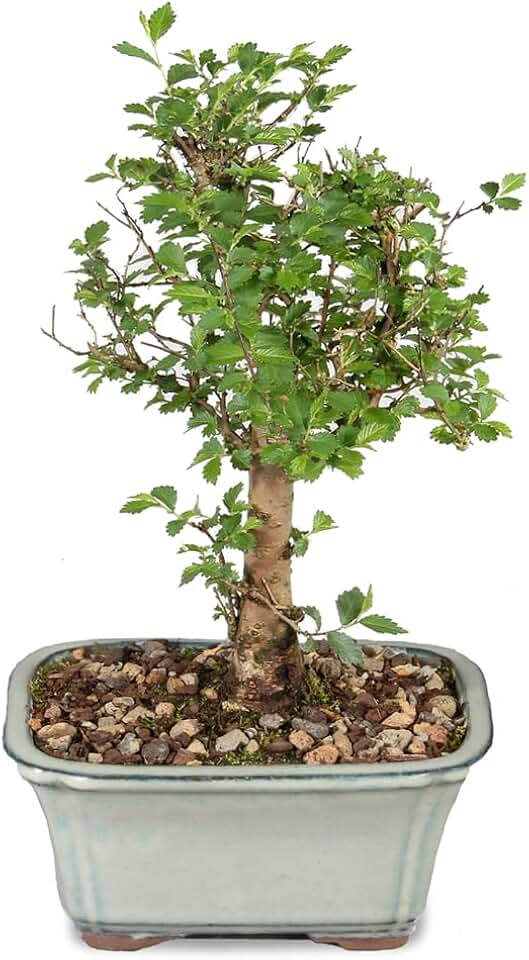
Jade bonsai stores water in its thick, succulent-like leaves, making it nearly indestructible during forgetful watering periods. Its tree-like appearance mimics mature specimens, providing immediate aesthetic satisfaction. This succulent variety requires less frequent misting and tolerates dry air, serving as a resilient, low-stress option for those who travel or have busy schedules.
4. Serissa bonsai for compact flowering
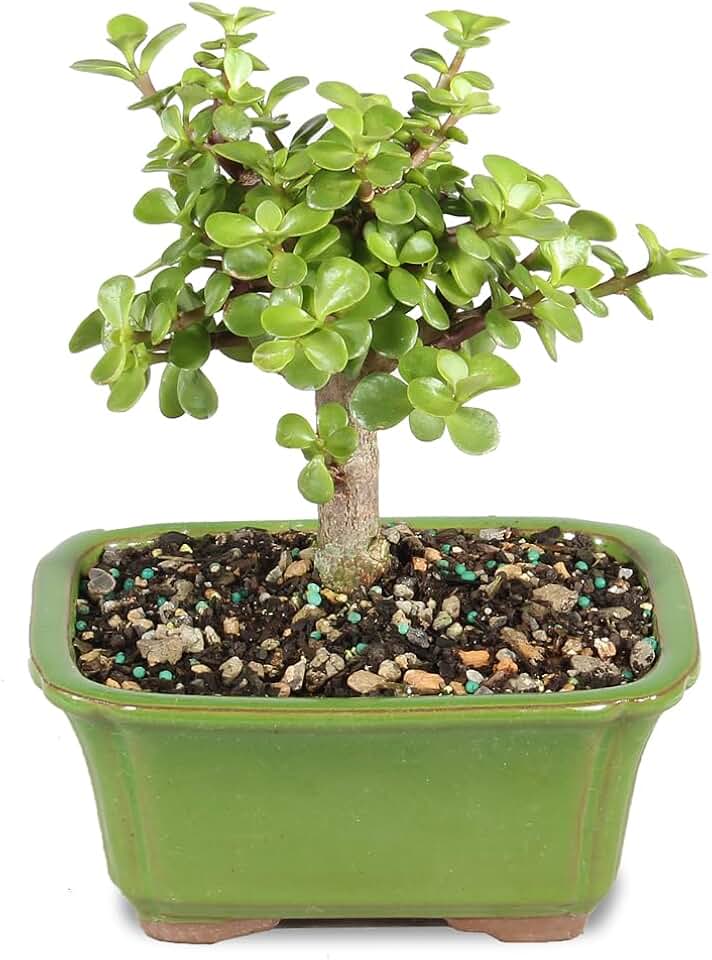
Serissa, or "Tree of a Thousand Stars," produces tiny white flowers that add delicate seasonal interest to small desks. Its compact size and fine foliage create an intricate, forest-like appearance without requiring large spaces. While it prefers consistent moisture, its rewarding blooms and manageable stature make it a charming, decorative choice for indoor enthusiasts.

5. Pine bonsai for outdoor hardiness
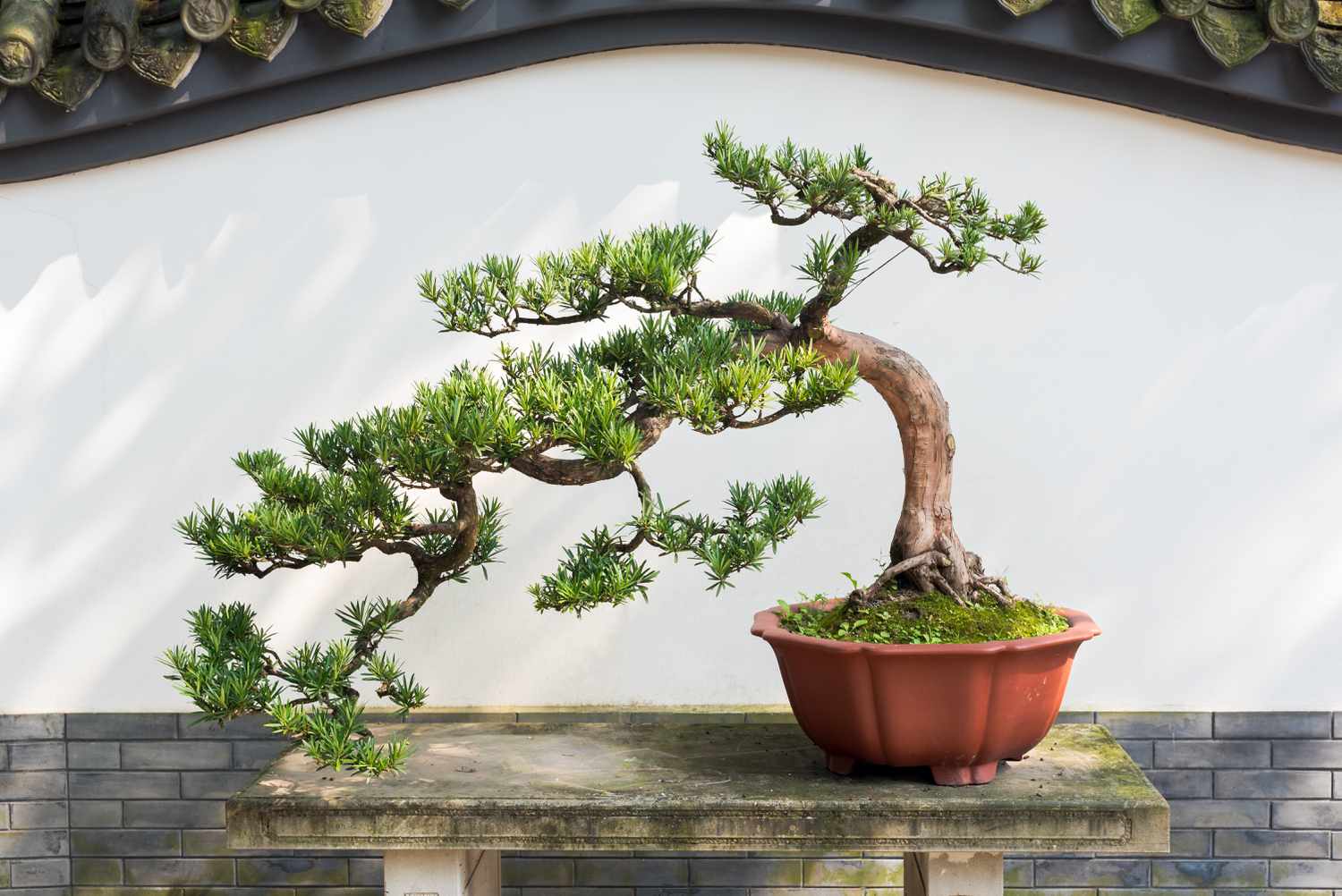
Pine bonsai withstands harsh winters and outdoor elements, requiring only seasonal pruning and basic watering. Its needle-like foliage and rugged bark provide a classic, timeless aesthetic that improves with age. This robust outdoor specimen is perfect for beginners with garden space who want a traditional bonsai that thrives in natural conditions with minimal intervention.

Pick the right fit
Choosing a bonsai is less about finding the "perfect" tree and more about matching a living plant to your daily habits. The five species listed earlier are forgiving, but they still have specific needs. A Ficus will thrive on a sunny windowsill but struggle in a dark bathroom, while a Juniper needs outdoor airflow that a Ficus doesn't require.
Think of your home as an ecosystem, not a gallery. Before buying, walk through your space and check three things: light, humidity, and access. Most indoor bonsai need at least four hours of direct sun or a strong grow light. If your home is dry, prioritize Ficus or Fukien Tea. If you have a porch or balcony, Juniper and Chinese Elm will reward you with more natural vigor.
Your pre-purchase checklist
Use this quick list to ensure the tree you pick will survive its first year:
- Light check: Does the spot get 4+ hours of direct sunlight or strong indirect light?
- Water access: Can you water the tree without dripping on electronics or furniture?
- Airflow: Is the location drafty (bad for humidity) or stagnant (bad for fungal health)?
- Time budget: Can you commit 5 minutes a day for watering and 15 minutes a week for pruning?
Recommended starter trees
If you are ready to buy, these are reliable entry-level options that balance resilience with aesthetic appeal.


As an Amazon Associate, we may earn from qualifying purchases.
Quick comparison
| Tree Type | Best Location | Water Frequency | Pruning Style |
|---|---|---|---|
| Ficus | Indoor (Sunny) | Every 2-3 days | Light shaping |
| Juniper | Outdoor (Full Sun) | Daily (Summer) | Structural wire |
| Chinese Elm | Indoor/Outdoor | Every 2-3 days | Fine detail |
| Fukien Tea | Indoor (Humid) | Every 2-3 days | Careful wire |
| Serissa | Indoor (Bright) | Daily | Minimal |
Start with the tree that fits your environment, not the one that looks the most complex in photos. A healthy, simple tree is easier to learn from than a struggling masterpiece.
2026 trends: the 5 low-maintenance bonsai tree types for beginners: what to check next
What is the rule of 3 in bonsai?
The "rule of 3" is a fundamental design principle used to create visual harmony and balance in a bonsai tree. It suggests that elements should appear in odd numbers—typically three—because the human eye finds odd groupings more dynamic and natural than even ones. In practice, this means you might have three primary branches, three layers of foliage pads, or three distinct lines of movement within the trunk. This technique prevents the tree from looking symmetrical or static, giving it a more organic, mature appearance that mimics trees found in nature.
What is the easiest bonsai to start with?
For beginners seeking low-maintenance options, the Ficus bonsai is widely considered the easiest to start with. Ficus trees are incredibly resilient and tolerate a wide range of indoor conditions, making them ideal for those who may not have a sunny windowsill or consistent watering routine. They are less sensitive to humidity fluctuations than other species and can recover quickly from neglect. Other forgiving options include the Jade (Crassula ovata) and the Chinese Elm, both of which are hardy and forgiving of minor care mistakes.
Can you teach yourself bonsai?
Yes, you can absolutely teach yourself bonsai. While professional teachers and workshops offer valuable guidance, the hobby is highly accessible through self-study. There are extensive resources available, including detailed online guides, community forums, and video tutorials that break down techniques like wiring, pruning, and repotting. Many successful bonsai artists started by experimenting with their first trees, learning from mistakes, and gradually refining their skills over years of practice. The key is patience and a willingness to observe how your specific trees respond to different care methods.
How do you start a bonsai tree for beginners?
Starting a bonsai begins with selecting a resilient, beginner-friendly species like a Ficus or Jade, rather than trying to propagate from a wild seed or sapling immediately. Purchase a pre-styled starter tree from a reputable nursery to get immediate gratification and learn basic care without the years required for seedling development. Focus on mastering the basics: understanding light requirements, learning when to water by checking soil moisture, and practicing simple pruning to maintain shape. As you gain confidence, you can explore more advanced techniques like wiring and repotting.
No comments yet. Be the first to share your thoughts!