

Bonsai beginners budget
Bonsai Tree works best when the purchase path is explicit. Verify the source, compare the offer against real alternatives, check the total cost, and confirm what happens after payment before you decide. After each comparison, write down the one risk that would change your mind. If the seller, condition, support, warranty, shipping, or upkeep still feels uncertain, resolve that question before moving to checkout.
The simplest way to use this section is to verify the seller, compare the total cost, and resolve the biggest risk before you commit.
Shortlist real options
Bonsai Tree works best as a clear sequence: define the constraint, compare the realistic options, test the tradeoff, and choose the path with the fewest hidden costs. That order keeps the advice usable instead of decorative. After each step, pause long enough to check whether the recommendation still fits the reader's actual situation. If it depends on perfect timing, unusual access, or a best-case budget, include a simpler fallback.
| Factor | What to check | Why it matters |
|---|---|---|
| Fit | Match the option to the primary use case. | A good deal still fails if it does not fit the job. |
| Condition | Verify age, wear, and service history. | Hidden condition issues erase upfront savings. |
| Cost | Compare purchase price with likely upkeep. | The cheapest option is not always the lowest-cost option. |
Inspect the expensive parts
Buying a bonsai is the easy part; keeping it alive is the expensive one. Most beginner trees die from hidden structural issues or poor acclimatization. Before you commit to a species or pot, inspect these three areas to avoid immediate failure.
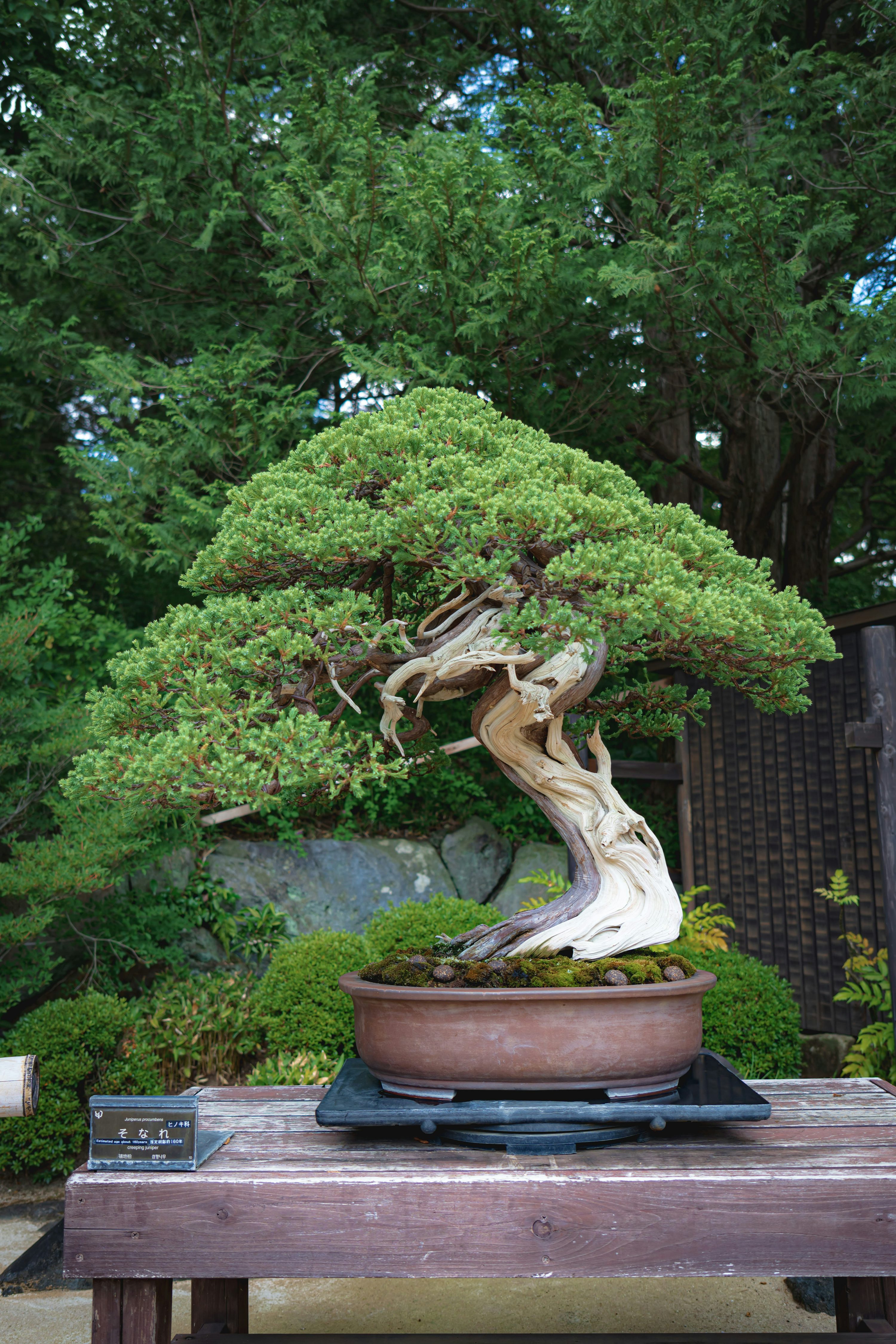
Look closely at the soil surface and the base of the trunk. White, cottony clumps indicate mealybugs, which suck sap and weaken the tree. Tiny black specks that move when disturbed are scale insects. If you see either, the tree is already compromised and will likely decline in your home despite your best efforts.
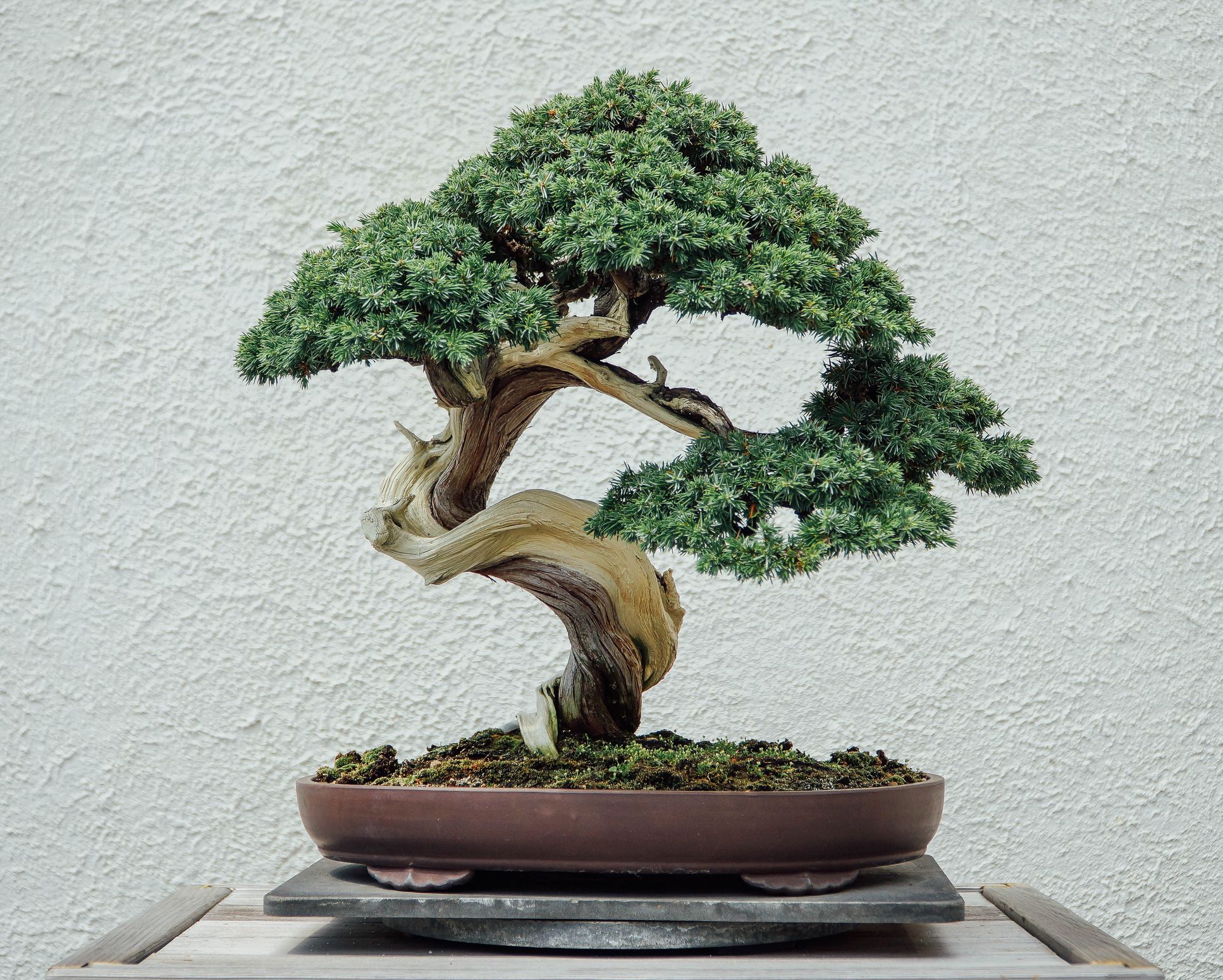
Clear away the top layer of soil to find the root flare, where the trunk meets the roots. Look for roots that wrap around the trunk (girdling) or grow in a tight spiral. A healthy tree should have a wide, stable base. Girdling roots cut off nutrient flow and will eventually strangle the tree, making it a ticking time bomb.
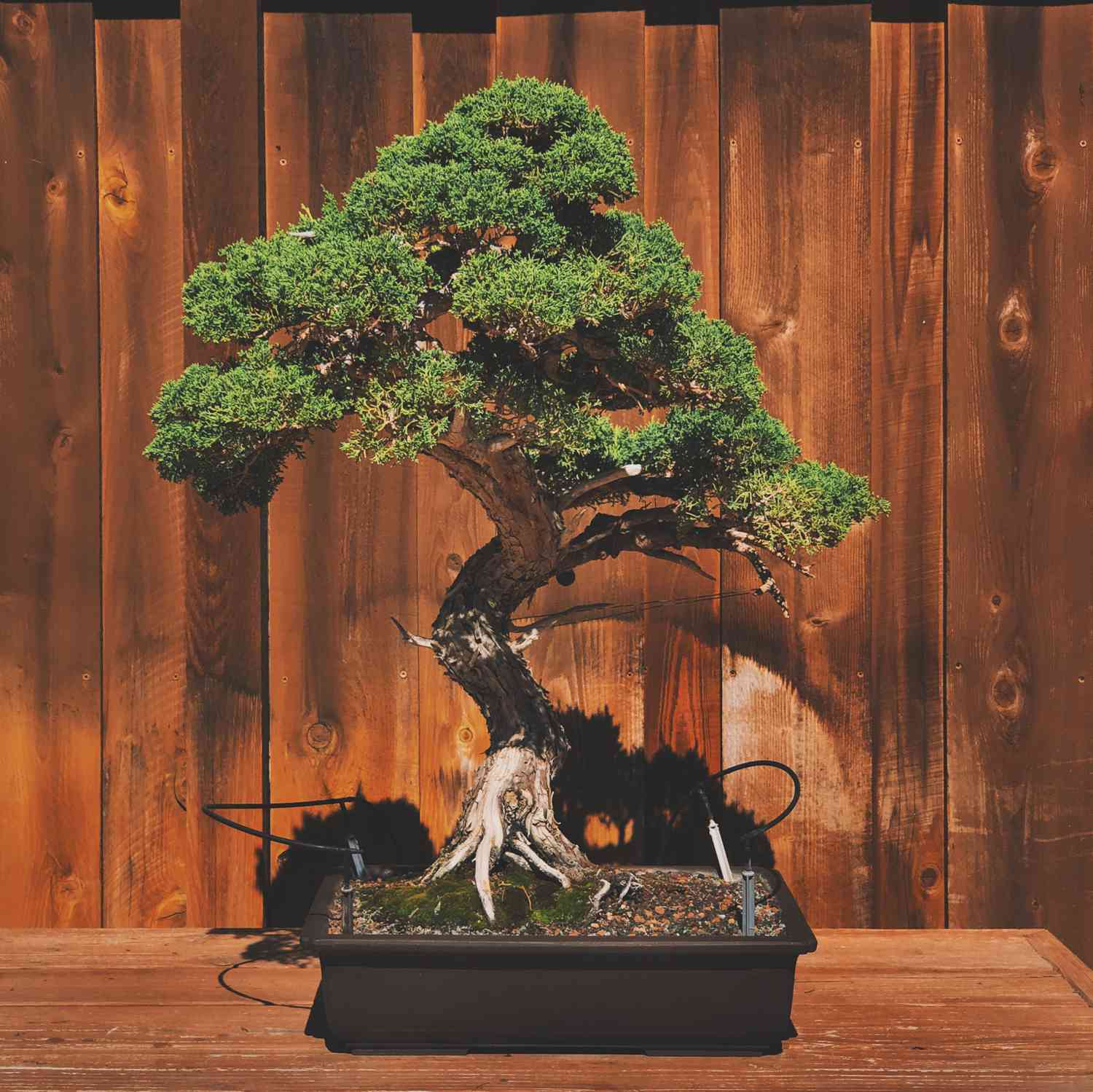
Gently bend a small, non-fruiting branch. It should be flexible but snap cleanly if bent too far. Brittle branches indicate severe underwatering or root rot. Also, check for yellowing leaves or spots on the foliage, which signal fungal issues or improper light. A healthy bonsai has vibrant, firm foliage and resilient branches.
Plan for ownership costs
A starter bonsai from a big-box store might cost $15, but that price is just the entry fee. The real cost of bonsai lies in the ongoing maintenance supplies and the risk of losing a tree because you didn't account for its specific needs. When a cheap buy stops being cheap, it’s usually because the tree was planted in low-quality soil or a non-draining plastic pot that suffocates the roots.
The first hidden expense is soil. Bonsai requires a gritty, fast-draining mix rather than standard potting dirt. A small bag of akadama or pumice can run $10–$20, but it prevents root rot, which is the leading cause of beginner death. You will also need to budget for basic tools: wire cutters, concave cutters, and a spray bottle. Skipping these leads to torn bark and uneven shaping, which can permanently damage a young tree’s aesthetic.
Watering is another variable cost. Depending on your climate and the species, you might water daily in summer. If you live in a dry area, you may need a humidifier or a humidity tray, adding $20–$50 to your initial setup. Finally, consider fertilizer. Bonsai are grown in shallow pots with limited nutrients, requiring regular feeding during the growing season. A simple liquid fertilizer is inexpensive but essential for long-term health.


As an Amazon Associate, we may earn from qualifying purchases.
If you treat bonsai as a low-maintenance houseplant, you will lose money replacing dead trees repeatedly. Buying a healthy, well-potted tree from a specialty nursery might cost $40–$60 upfront, but it comes with established roots and proper soil. This upfront investment saves you from the recurring costs of rescuing struggling plants and buying replacement soil. The cheapest option is often the most expensive in the long run.
Bonsai for beginners: what to check next
Starting your first bonsai can feel like learning a new language. These common questions address the practical hurdles beginners face when choosing a species and setting up their first workspace.
What is the rule of 3 in bonsai?
The rule of three is a fundamental aesthetic principle used to create natural-looking balance in your design. It suggests grouping elements in odd numbers, which feels more organic to the eye than even, symmetrical pairs. This applies to planting (using three small stones), wiring (three main branches), or even buying supplies. The goal is to avoid rigid symmetry and mimic the irregularity found in nature.
What is the easiest bonsai to start with?
For absolute beginners, the Ficus retusa or Ficus ginseng is widely considered the most forgiving species. These trees tolerate lower light conditions and irregular watering better than most outdoor varieties. Their thick, succulent-like leaves and sturdy trunks hide minor care mistakes that might kill a more sensitive Juniper. Other resilient options include the Chinese Elm and the Jade plant, which are hardy enough to survive the learning curve.
How can I start a bonsai tree as a beginner?
Begin by selecting a pre-styled nursery stock rather than trying to shape a wild tree from scratch. Focus on mastering the three essentials: proper drainage, bright indirect light, and consistent watering. Use a well-draining bonsai soil mix, not regular potting dirt, to prevent root rot. Spend your first few weeks observing how your specific tree drinks and responds to light before attempting any aggressive pruning or wiring.
Can you teach yourself bonsai?
Yes, bonsai is a highly self-taught craft, but it requires patience and observation. Online communities like r/Bonsai offer extensive walkthroughs and troubleshooting guides that can replace formal classes. The best way to learn is by doing; start with one resilient tree and document its changes weekly. Mistakes are part of the process, so don't be afraid to experiment with wiring and pruning techniques on your starter plant.
No comments yet. Be the first to share your thoughts!