
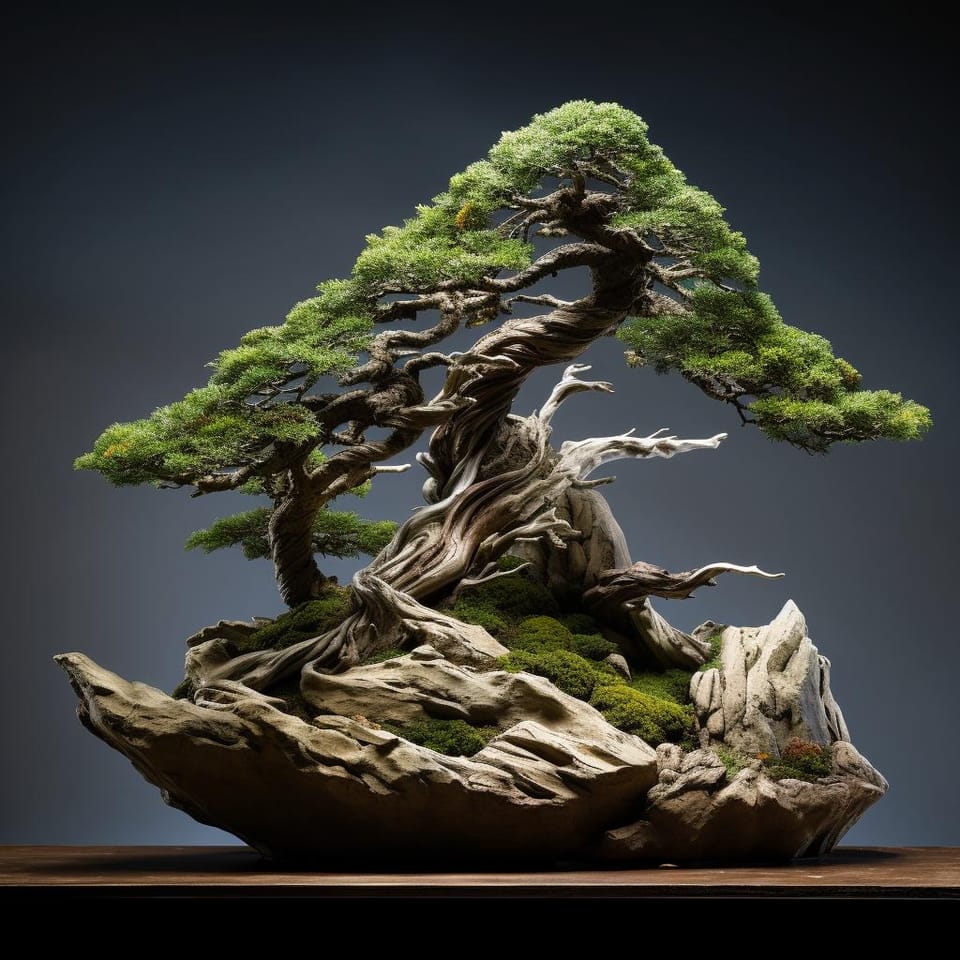

Embarking on the Bonsai Journey: A Glimpse into Miniature Marvels 🌳
Imagine a towering, ancient tree, its branches reaching out in a harmonious dance with the wind. Now, picture this majestic beauty, artfully condensed into a miniature version, small enough to perch on your windowsill. Welcome to the captivating world of bonsai trees - a centuries-old art form that combines horticultural ingenuity and artistic flair.
Delving into the world of bonsai is like embarking on a journey through time. From their ancient roots in China and Japan to their global popularity today, bonsai trees have a rich, fascinating history that's as intricate as the trees themselves. But why stop at history? The art of bonsai is a delicate balance of science and aesthetics, a testament to human creativity and our enduring connection with nature.
Whether you're just starting your journey with bonsai for beginners or you're a seasoned enthusiast looking to deepen your knowledge, this guide will provide insights into choosing the right bonsai tree, mastering the art of bonsai, and offering expert tips on bonsai tree care. So, are you ready to explore the wonder of these miniature marvels?
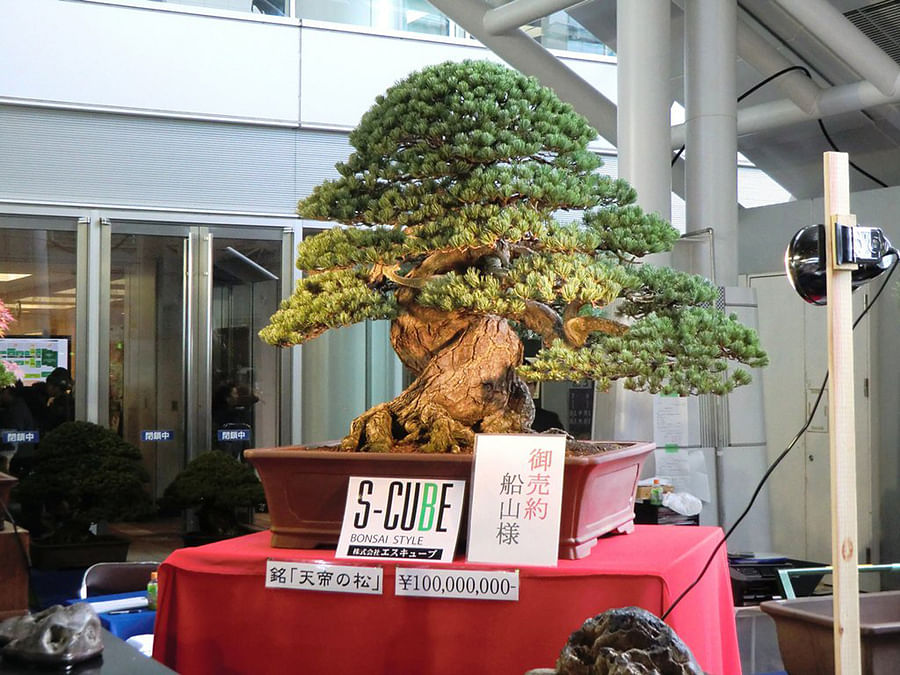
Unearthing the Roots: The Time-Honored Tale of Bonsai Trees 🕰️
As we traverse the annals of history, we find that the art of bonsai has its roots deeply embedded in the ancient cultures of China and Japan. The inception of bonsai, as we know it today, began in China over a thousand years ago, where it was known as 'penjing'. This art form was later adopted by Japanese monks in the Heian period, who refined it to the bonsai we cherish today.
These miniature trees were not just a hobby but held profound cultural and spiritual significance. In the hands of a skilled grower, a bonsai tree could encapsulate the essence of nature's grandeur within a small pot, symbolizing harmony and balance. This art form was considered a meditative practice, a path to enlightenment, and a testament to the beauty of patience.
From the monasteries of ancient Japan to the contemporary living rooms worldwide, bonsai trees have journeyed far and wide. They have evolved from being an exclusive art form of the elite to a popular hobby for plant enthusiasts around the globe. Want to join this journey and start your own bonsai adventure? Learn about bonsai tree care and find out how to start a bonsai tree in our comprehensive guides.
Now that we've traced the roots of bonsai from China and Japan to the rest of the world, let's take a closer look at the timeline of this art form's development and spread.
The journey of bonsai cultivation is indeed fascinating. As we move forward, let's delve deeper into the art of bonsai: the harmony, balance, and beauty it brings.
Crafting Miniature Masterpieces: The Aesthetic Allure of Bonsai 🎨
Imagine standing before a grand, ancient tree, its branches reaching out in a dance of nature, a testament to the passing of time. Now, imagine that same majesty, that same essence of life, distilled into a form you can cradle in your hands. This is the art of bonsai, a delicate balance of harmony, beauty, and scale.
Bonsai is not merely about growing trees; it's about capturing the essence of nature in a miniature landscape. The principles of harmony and balance guide the shaping of the tree, creating a sense of unity and tranquility. The scale is carefully considered, ensuring the tree, pot, and any accompanying elements complement each other, creating a scene that is pleasing to the eye.
Whether you're starting your bonsai journey or looking to deepen your understanding, remember, each bonsai tree is a living sculpture, a testament to the harmony of nature and art. And the best part? You're the artist, shaping and nurturing your bonsai masterpiece.
To get a deeper understanding of the artistic principles behind bonsai growing, let's hear from a master in the field, Bjorn Bjorholm, who has studied Bonsai art for over six years.
Now that we've explored the artistry behind bonsai, let's delve into the science of growing and maintaining these miniature masterpieces.
Bonsai 101: The Science Behind Nurturing Your Tiny Tree 🧪
Stepping into the world of bonsai, you're not just growing a tree; you're sculpting a living piece of art. The journey begins with choosing the right bonsai tree, a decision influenced by your environment, the tree's growth requirements, and your personal aesthetic preferences. The common species for bonsai include Juniper, Ficus, and Maple, each with its unique charm and care needs.
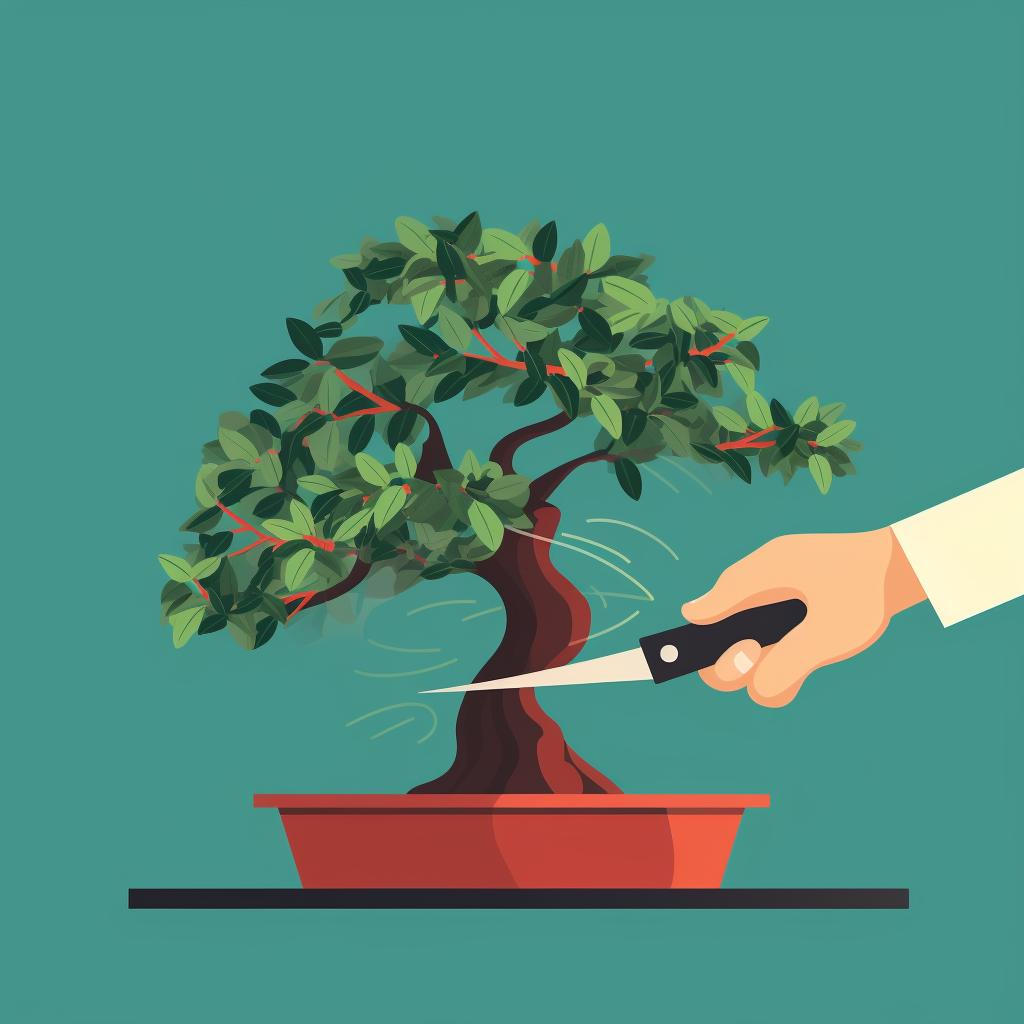
Once you've chosen your tree, the real magic begins. Pruning is an art, a dance between growth and restraint that shapes your bonsai's story. This is where knowledge meets intuition, and every cut brings your vision to life. Curious about how to start? Our step-by-step guide is an excellent resource for beginners.
Equally crucial is potting your bonsai, a process that ensures the health and longevity of your tree. This involves choosing the right soil, pot, and understanding when to repot. A dying tree can often be revived with a simple repotting. If you're facing such a situation, our guide on how to revive a dying bonsai tree might be of help.
Remember, bonsai is more than a hobby; it's a journey of growth, patience, and self-expression. Welcome to the beautiful world of bonsai.
Now that we have a basic understanding of bonsai horticulture, let's dive into one of the most essential skills in bonsai care - pruning. Pruning is not just about maintaining the size of your bonsai; it's an art form that shapes the tree and brings out its character.
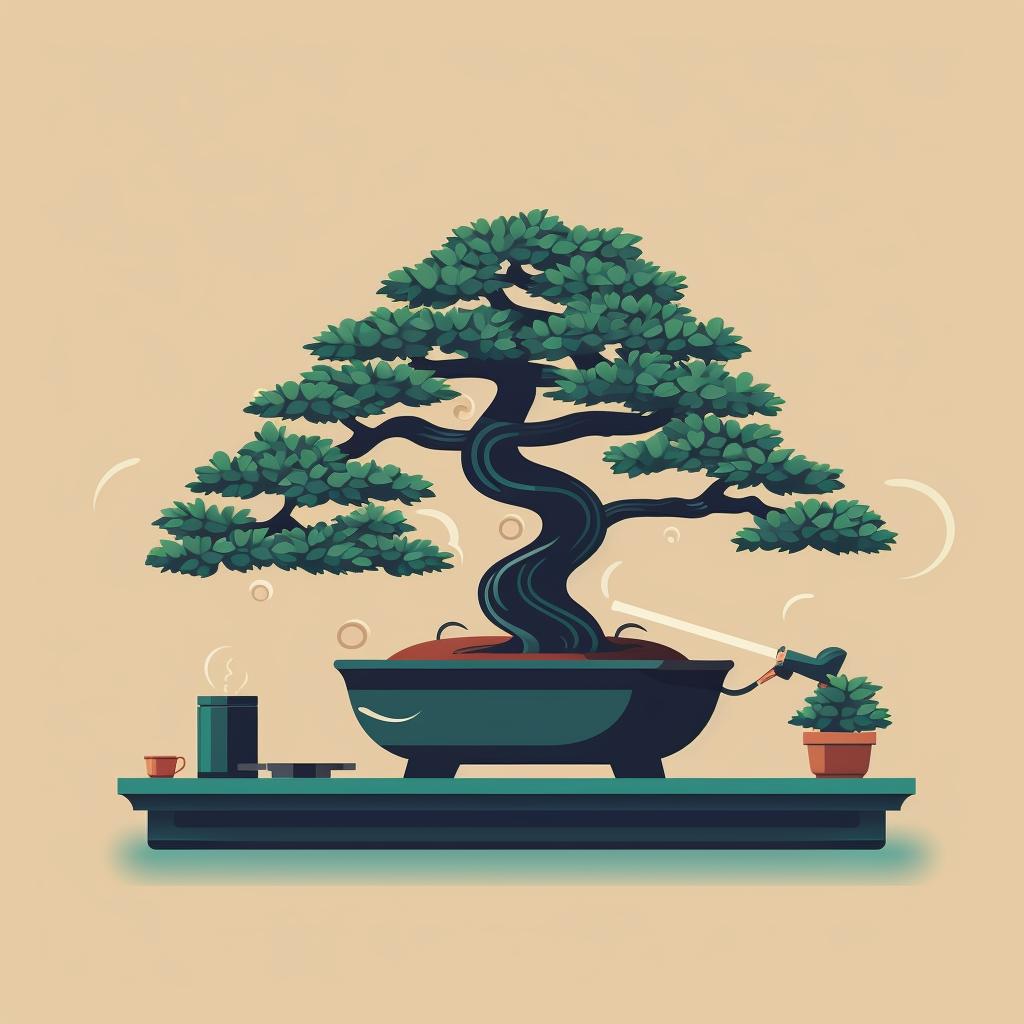
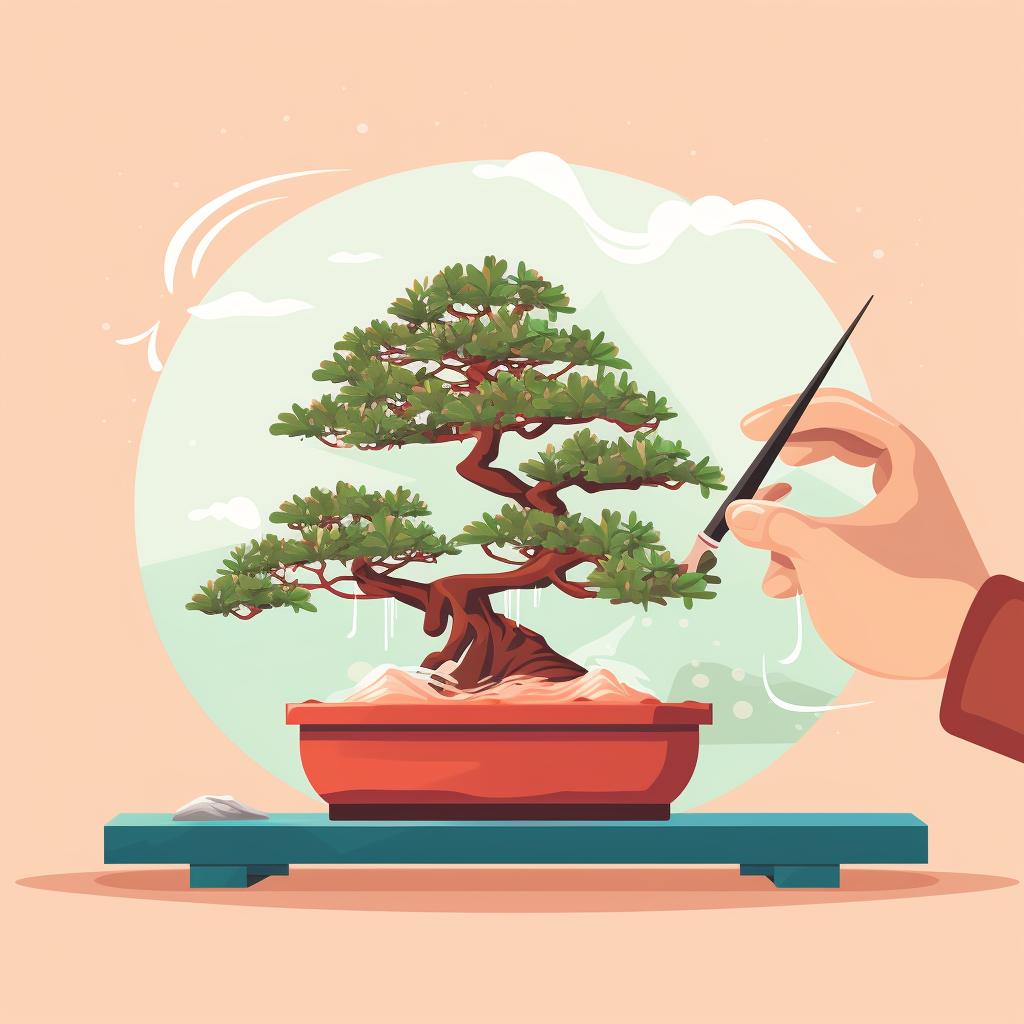
The Art of Pruning: A Step-by-Step Guide to Shaping Your Bonsai Tree
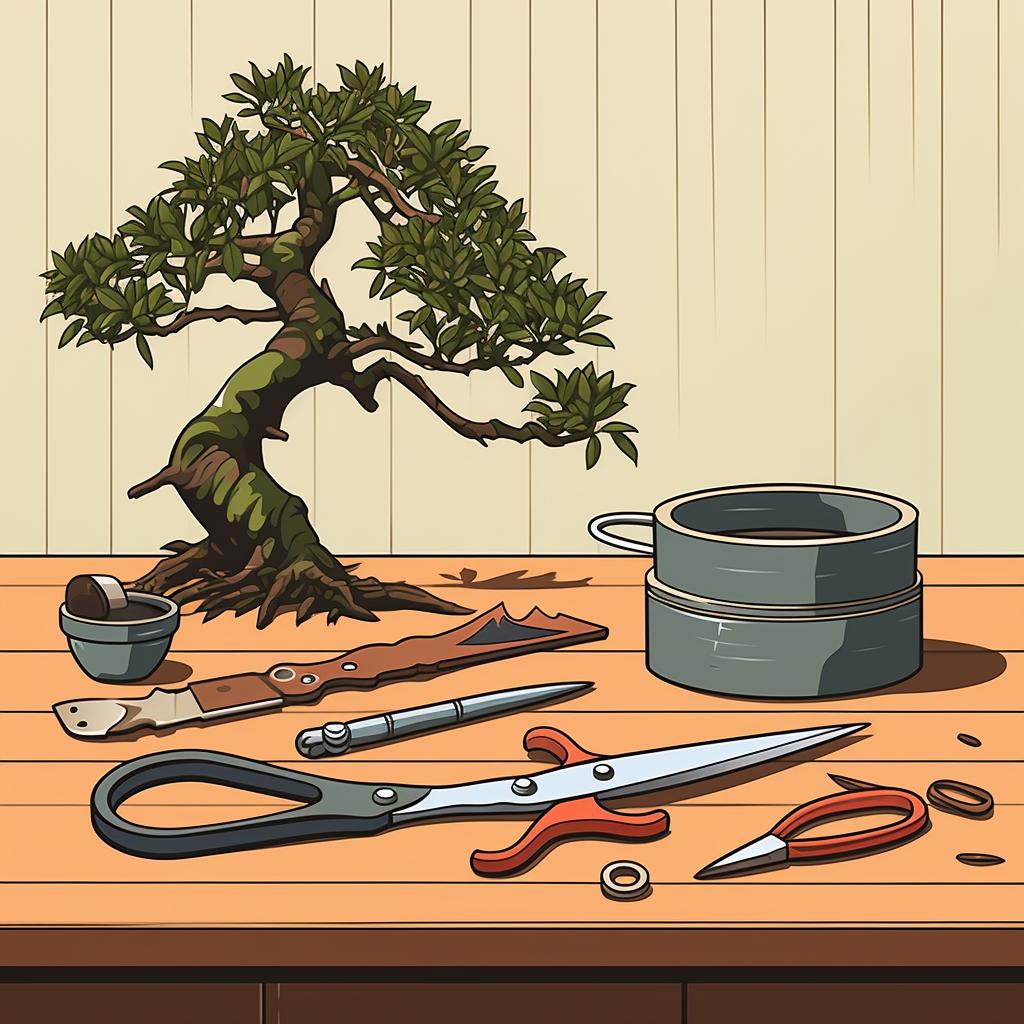
Learn more about 🌳 The Art of Pruning: A Step-by-Step Guide to Shaping Your Bonsai Tree 🌳 or discover other Bonsai for Beginners guides.
With these steps, you're well on your way to mastering the art of bonsai pruning. Remember, it's a process of learning and growth, much like the journey of your bonsai tree itself. Now, let's move on to choosing your first bonsai tree and starting your own bonsai journey.
Your Bonsai Adventure Begins: Choosing and Caring for Your First Tree 🌱
Embarking on your bonsai journey is like stepping into a world of miniaturized beauty, where patience and care become your best companions. But how do you choose the perfect bonsai tree for beginners? It's a blend of understanding your environment, the level of care you can provide, and the unique characteristics of different bonsai species.
Are you living in a sunny apartment or a shady house in the suburbs? Different bonsai trees have different light requirements. Perhaps you're drawn to the vibrant colors of an Azalea Bonsai or the majesty of a Redwood Bonsai. Each tree has its own set of care instructions, and understanding these is the first step to becoming a bonsai expert.
Remember, bonsai is more than just a hobby; it's a journey of patience, mindfulness, and growth. So, are you ready to take the first step and choose your bonsai tree?
Popular Bonsai Tree Species for Beginners and Their Care Guides
- Juniper Bonsai: Known for their hardy nature and beautiful foliage, Juniper Bonsais are a great choice for beginners. They thrive in sunny, outdoor environments and require moderate watering. Remember to let the soil dry out between watering sessions.
- Ficus Bonsai: Ficus Bonsais are tropical plants that love warm climates. They can be grown indoors and require a lot of sunlight. Watering should be done when the top soil feels dry to the touch.
- Chinese Elm Bonsai: Chinese Elm Bonsais are adaptable and forgiving, making them ideal for beginners. They can be grown both indoors and outdoors. Water thoroughly when the soil gets slightly dry.
- Jade Bonsai: Jade Bonsais are succulent plants that require less water than most other bonsai trees. They prefer direct sunlight and thrive in room temperature conditions.
- Maple Bonsai: Maple Bonsais are loved for their vibrant autumn colors. They prefer outdoor environments with plenty of sunlight and humidity. Watering should be done when the top soil feels slightly dry.
Now that you're familiar with some popular bonsai tree species and their care guides, you might have a few questions. Here are some common queries beginners often have about bonsai tree care and maintenance:
We hope these answers help you on your bonsai journey. Remember, the bonsai community is a wonderful resource for learning and sharing. Don't hesitate to reach out and ask questions. Happy bonsai growing!
Join the Bonsai Bandwagon: Thriving in the Global Bonsai Community 🌍
Welcome, dear friend, to the global bonsai community - an awe-inspiring universe of miniature marvels, keen enthusiasts, and infinite learning. Be it the forum chatter on Weeping Willow Bonsai or the bustling energy at bonsai conventions, the world of bonsai is as expansive as the roots of a majestic bonsai tree itself.
Are you ready to dive into this journey of nurturing your own bonsai tree? Do you, too, yearn to feel the thrill of pruning your first bonsai, to marvel at its miniature grandeur every morning? If your heart whispers a resolute yes, remember, dear friend, you're not alone. This community - this bonsai family - thrives on sharing, learning, and growing together.
So, come, join us. Immerse yourself in the art of bonsai, delve into its rich history, and grow with us. For every bonsai tree starts as a humble seed, and every bonsai master, a beginner like you.
What's Your Favorite Bonsai Tree Species?
We're curious to know which bonsai tree species has captured your heart. Pick your favorite from the options below or feel free to add your own!
The Bonsai Mastery Quiz
Test your knowledge about the fascinating world of Bonsai trees, their history, art, and science.
Learn more about 🌳 Take The Bonsai Mastery Quiz and Test Your Knowledge 🌿 or discover other Bonsai for Beginners quizzes.
No comments yet. Be the first to share your thoughts!